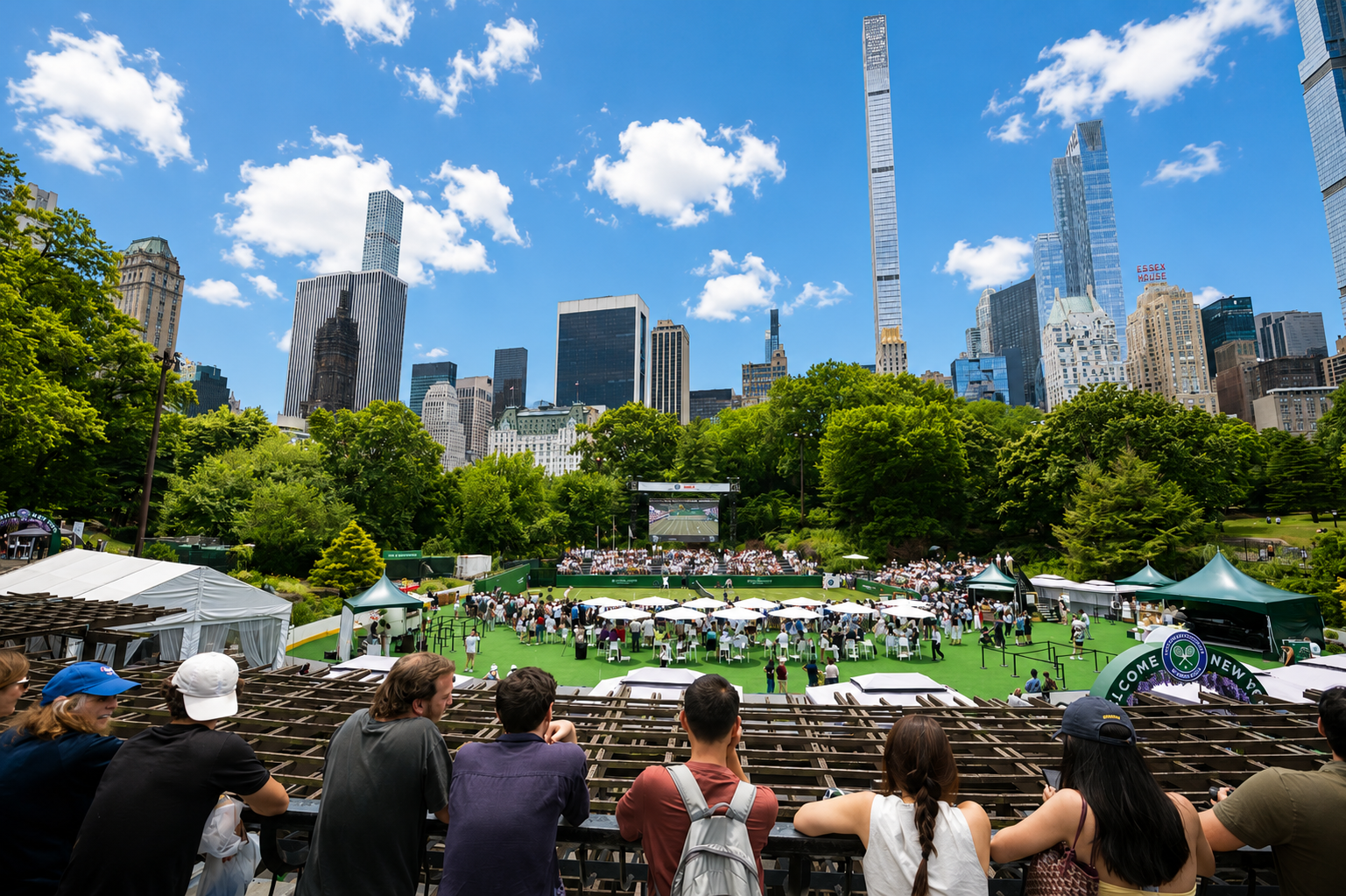
The Wimbledon Court in Central Park
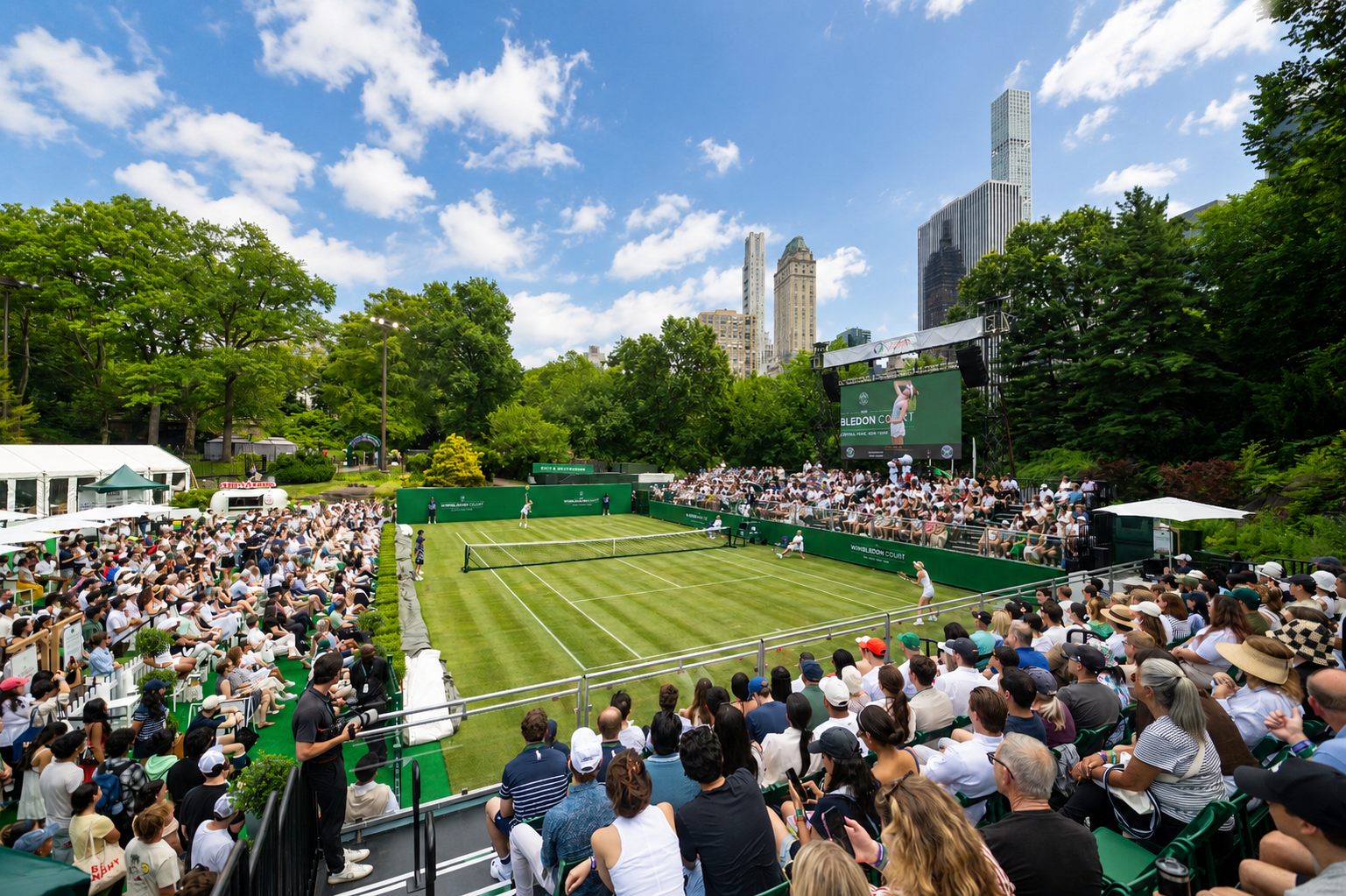
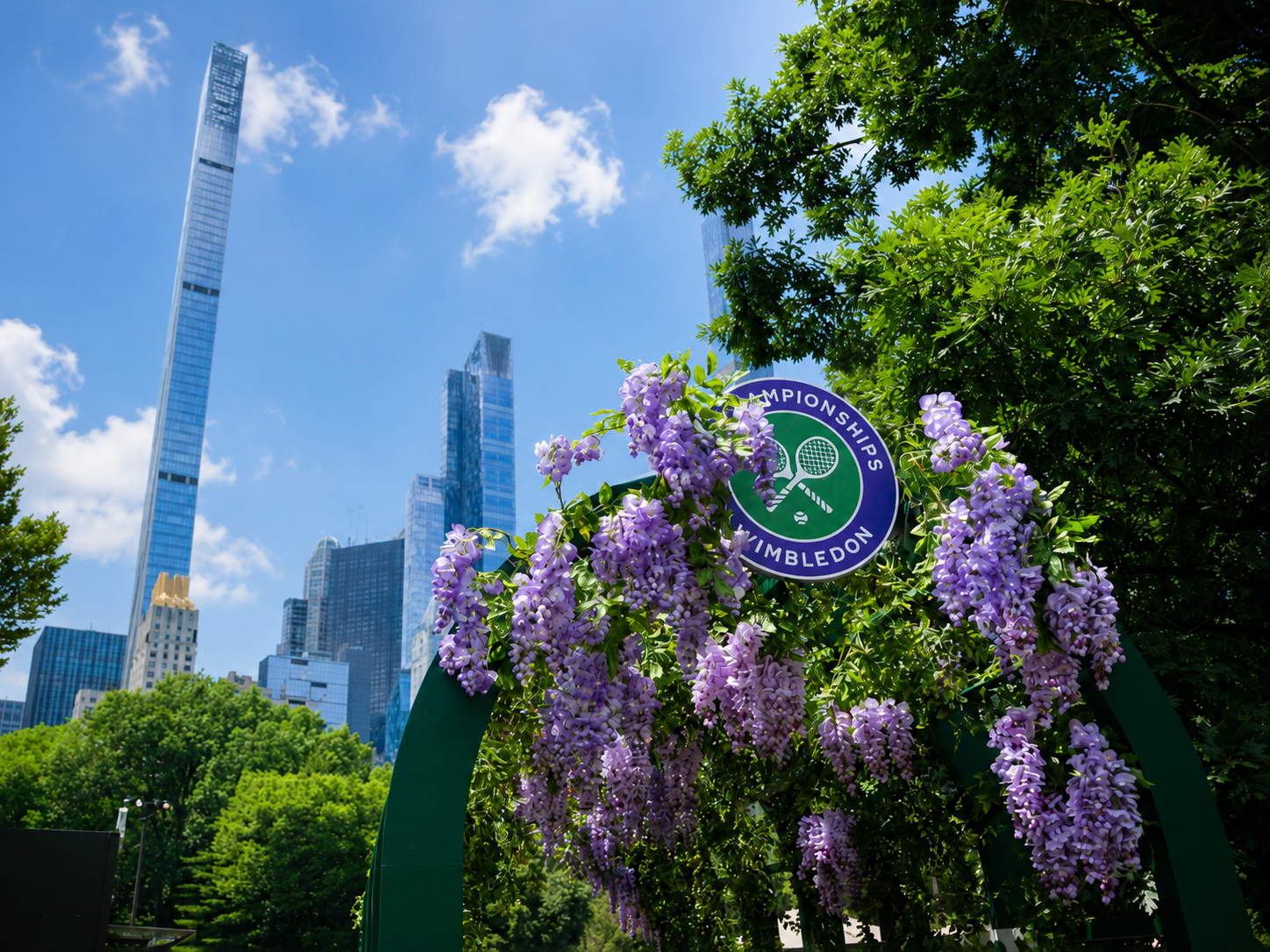
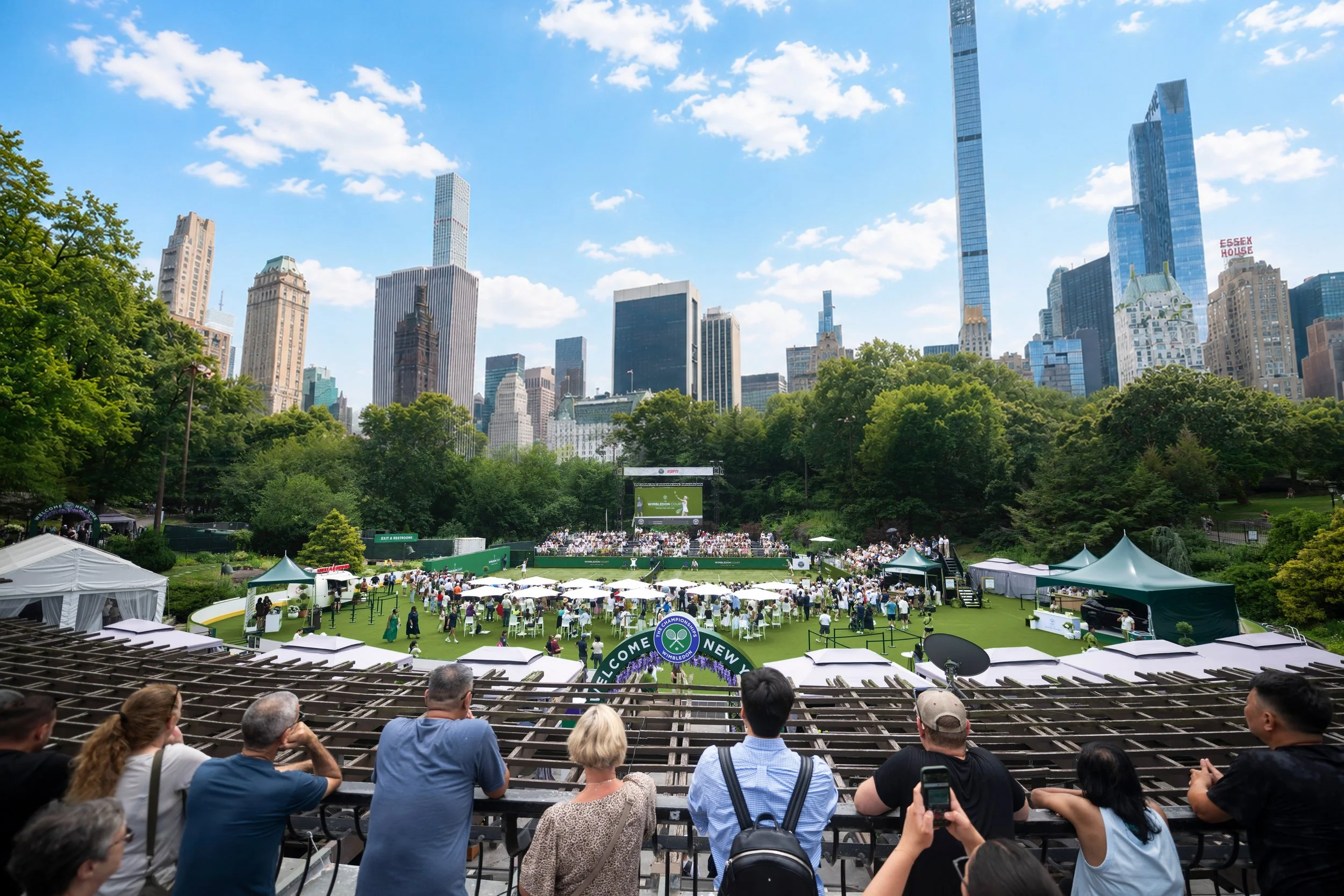
Wimbledon came to New York City for four days, transforming Wollman Rink in Central Park into a full-scale celebration of The Championships.
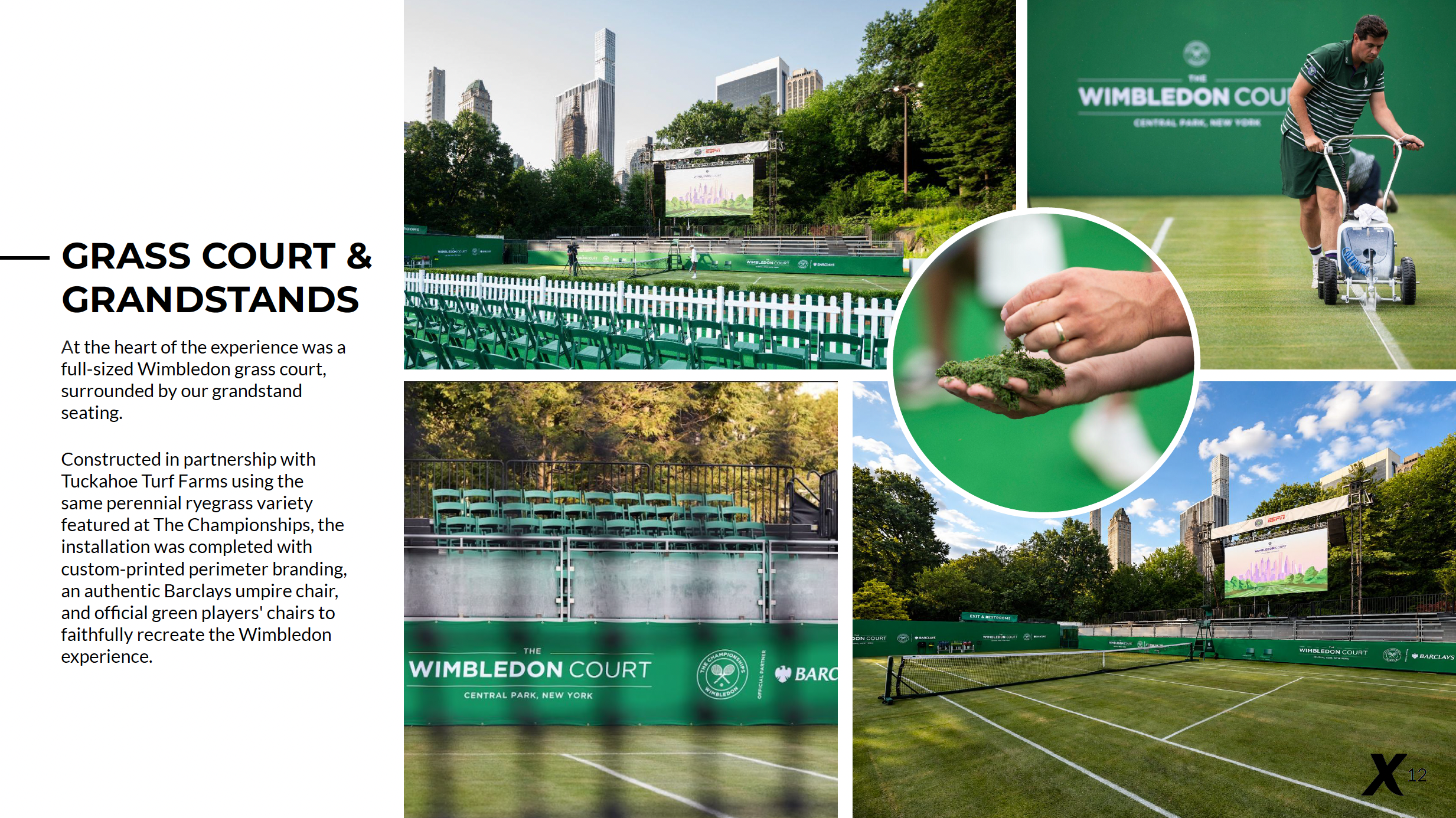
As the lead experiential designer on the project, I helped bring the experience from early creative development through final design, translating one of sport's most recognizable visual worlds into a temporary venue built around a full-sized grass tennis court. The experience brought together live tennis, hospitality, fan programming, partner activations, food and beverage, retail, and viewing areas against the backdrop of the Manhattan skyline.
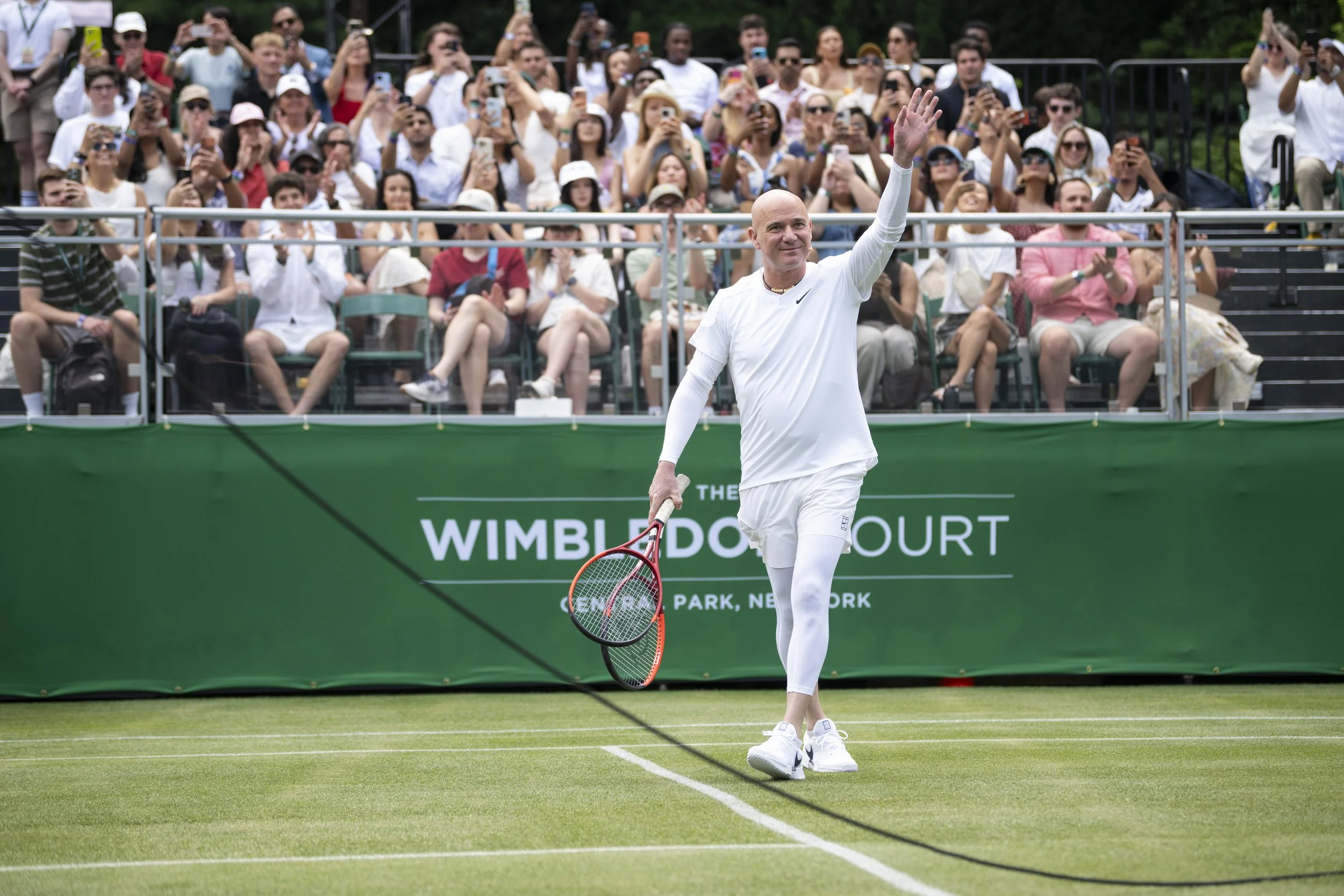
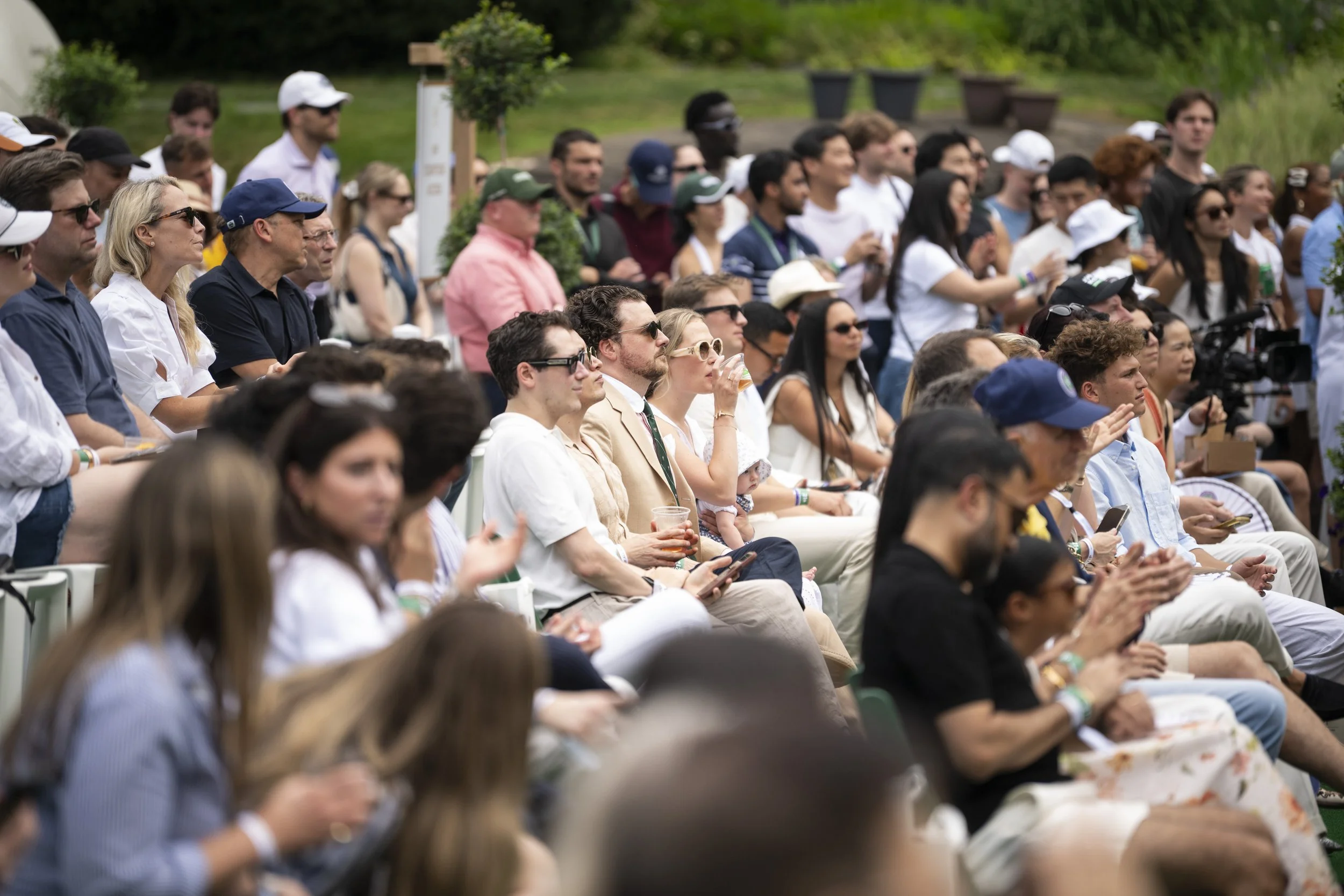
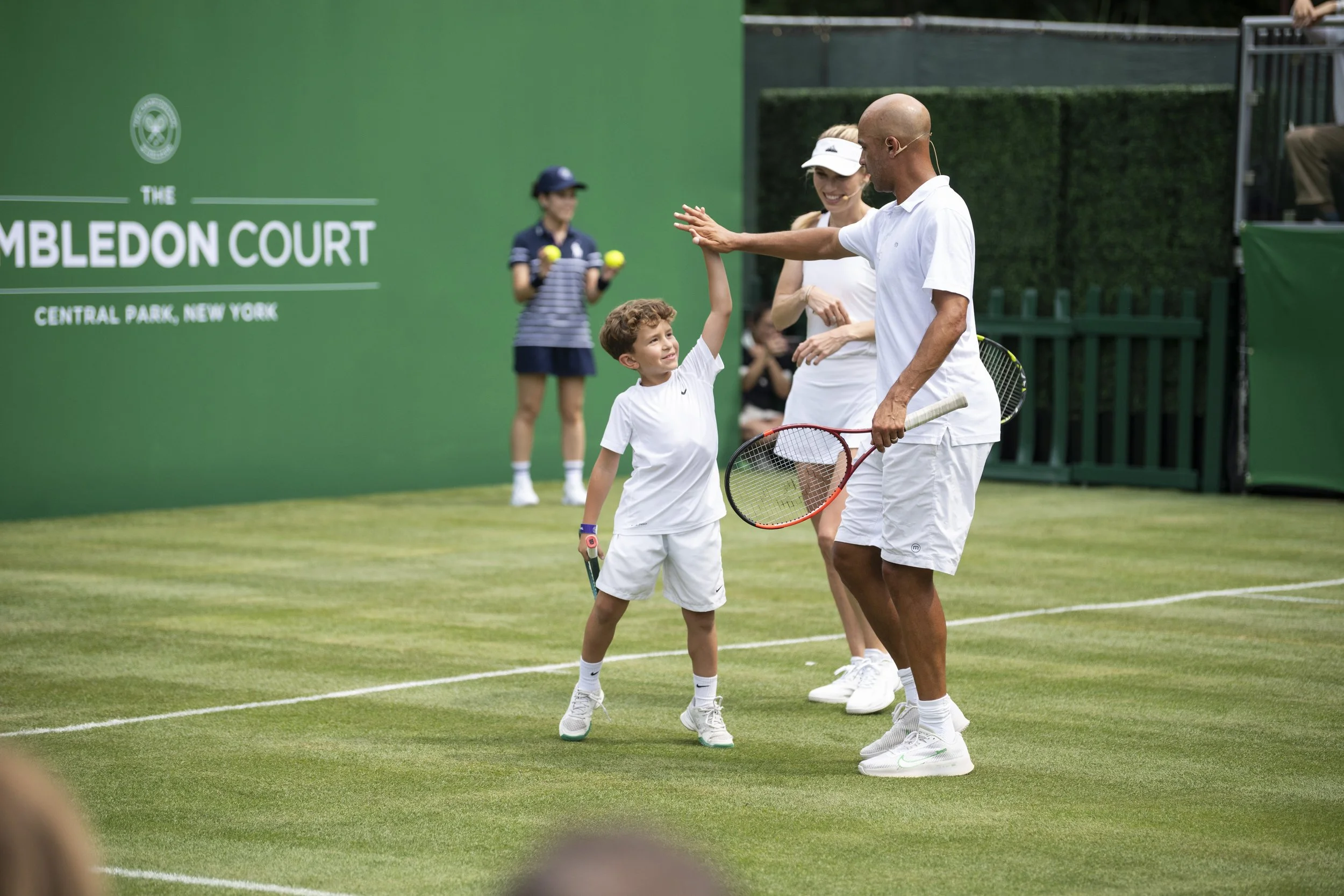
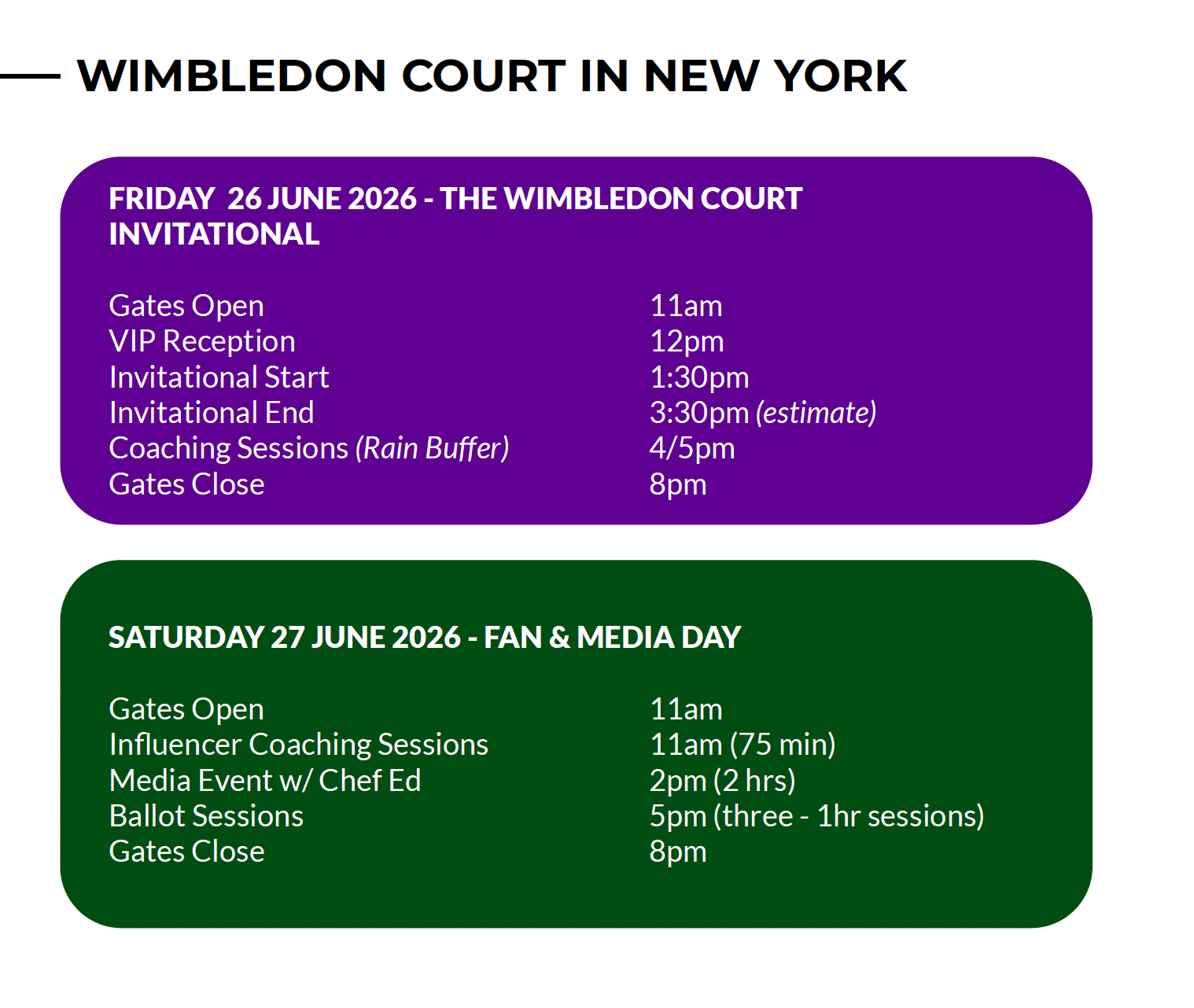
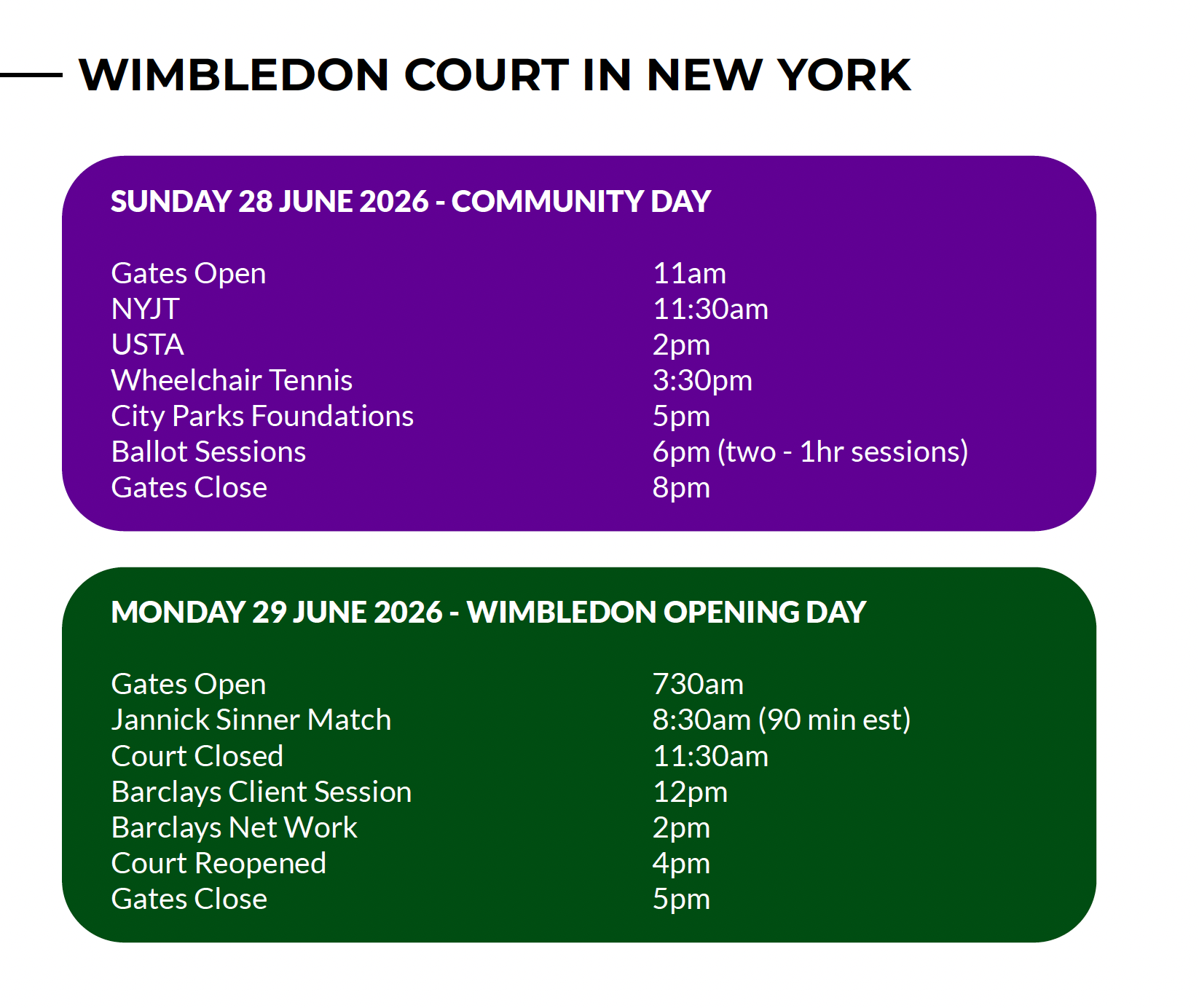
Opening day centered around The Wimbledon Court Invitational, with Andre Agassi, Caroline Wozniacki, James Blake and Genie Bouchard taking to the court for a series of matches in front of a packed Central Park crowd. Over the following days, fans were invited onto the grass themselves, before the space transformed again for opening day of The Championships.
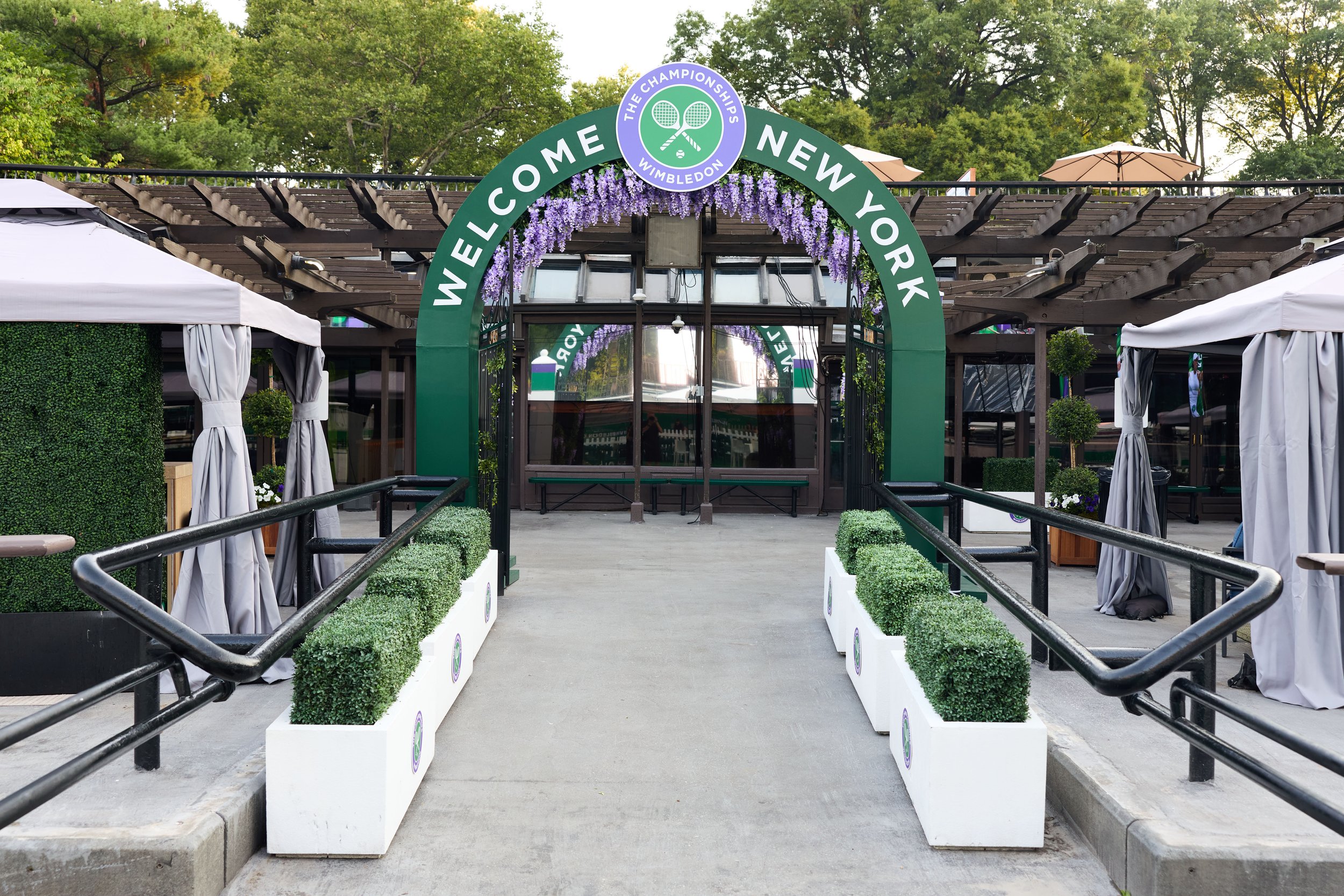
My work focused on shaping the physical experience and guest journey across Wollman Rink — from site planning and spatial design to the entrance experience, Wimbledon Village, grandstands, hospitality spaces, history moments, sponsor integrations and the many details that helped make the venue feel unmistakably Wimbledon in the middle of Manhattan.
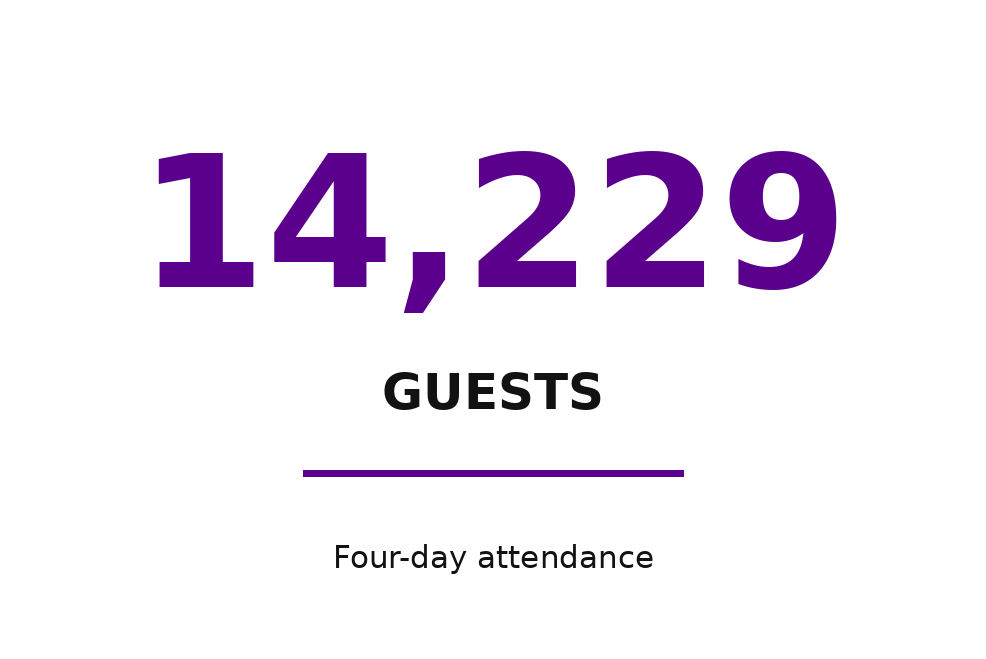
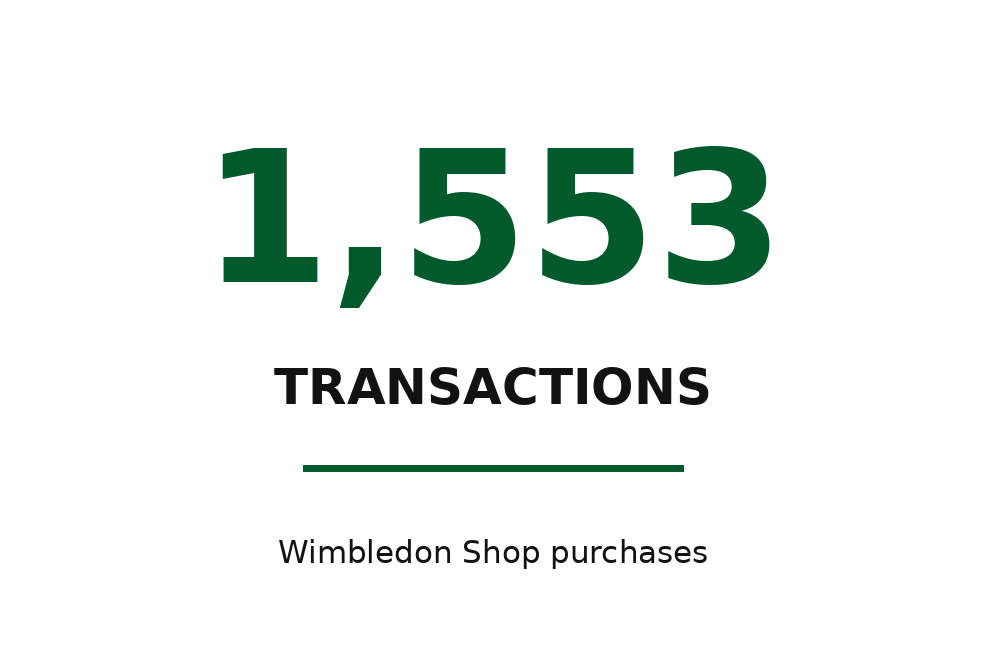
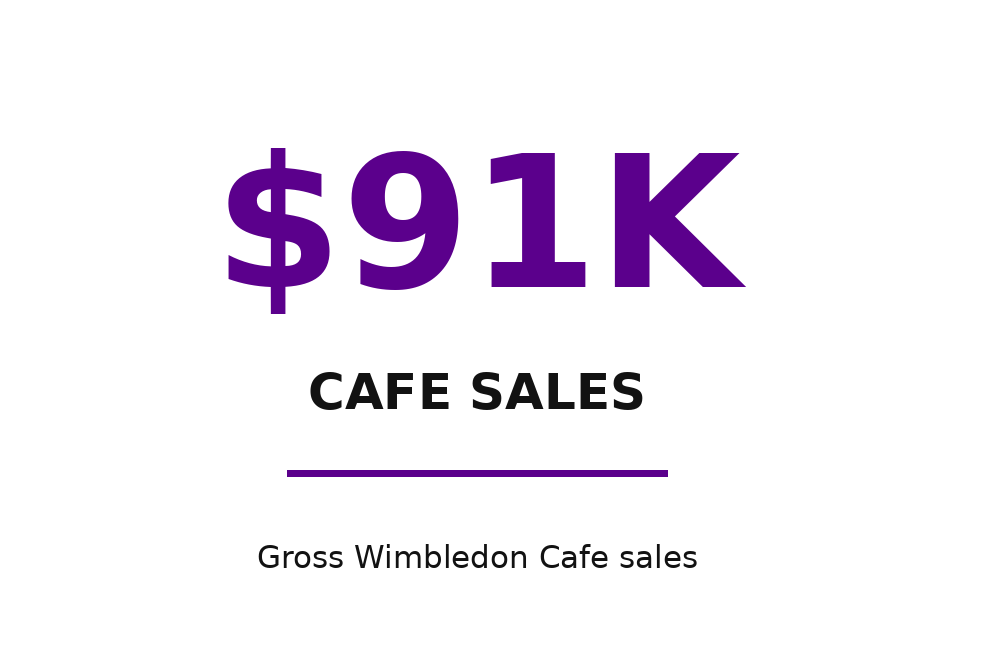

The design challenge was less about recreating Wimbledon literally and more about capturing what makes it immediately recognizable: the grass, deep greens and purple, garden-like landscaping, crisp white details, traditional hospitality and a sense of ceremony around the sport.
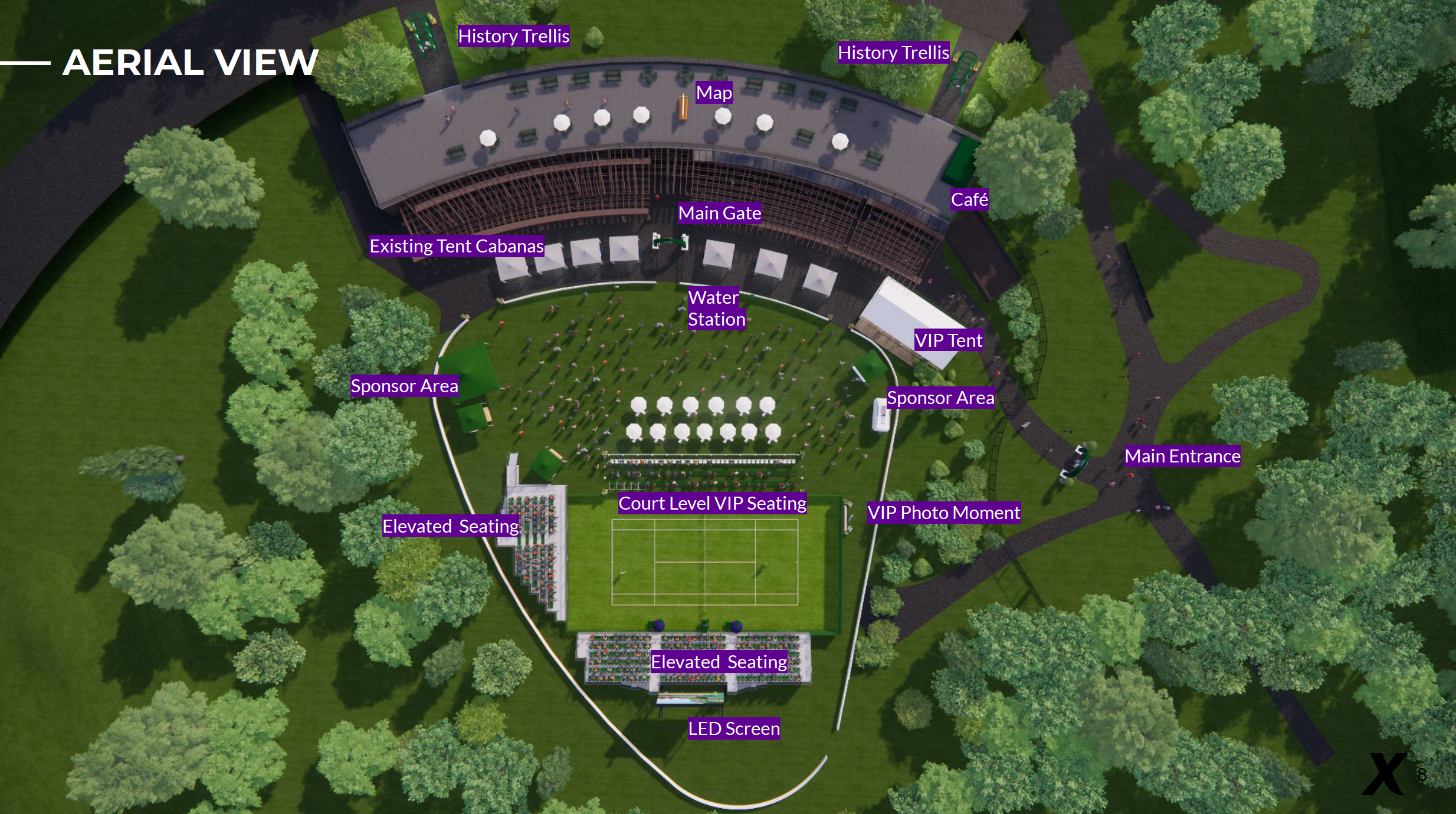
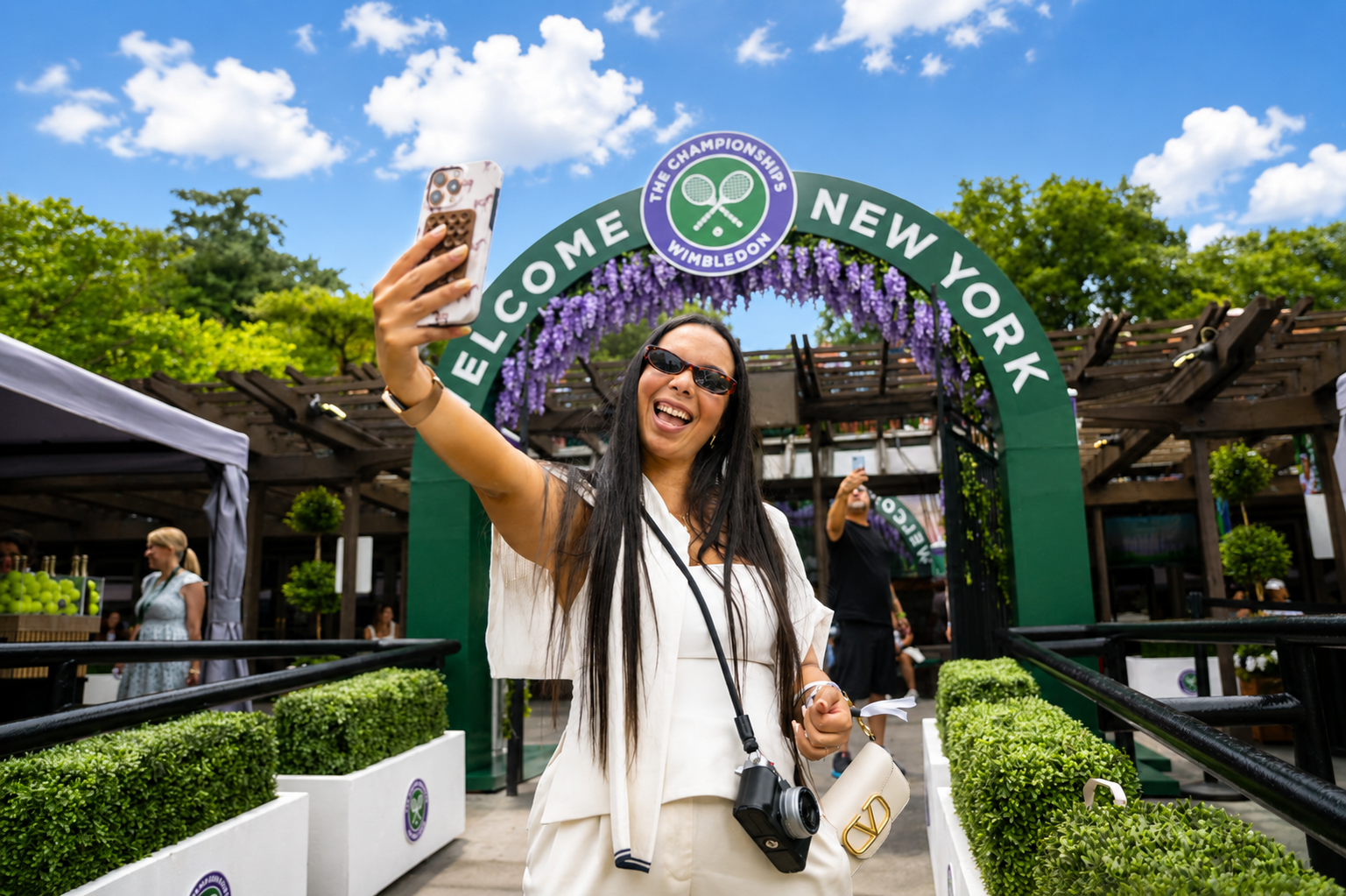
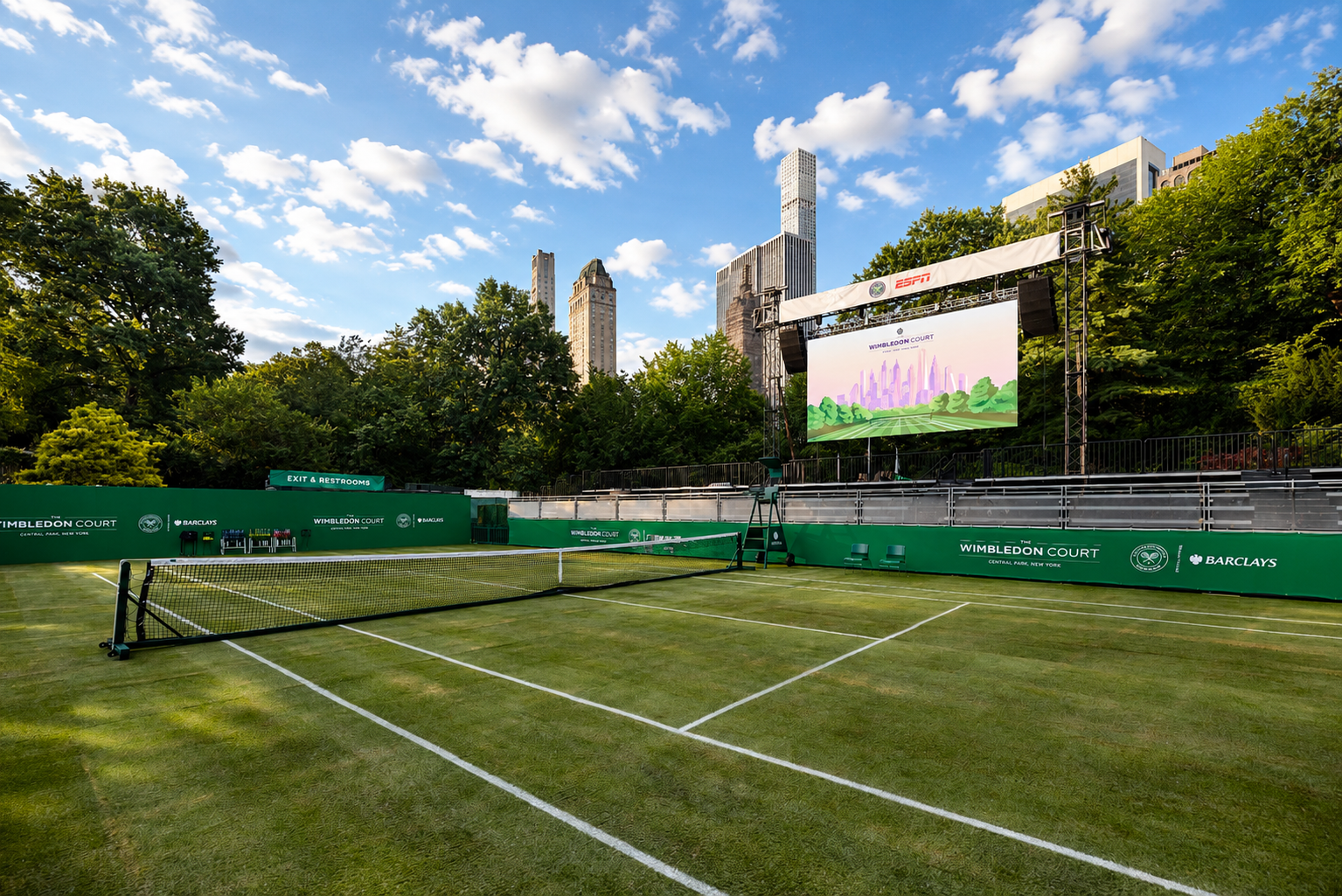
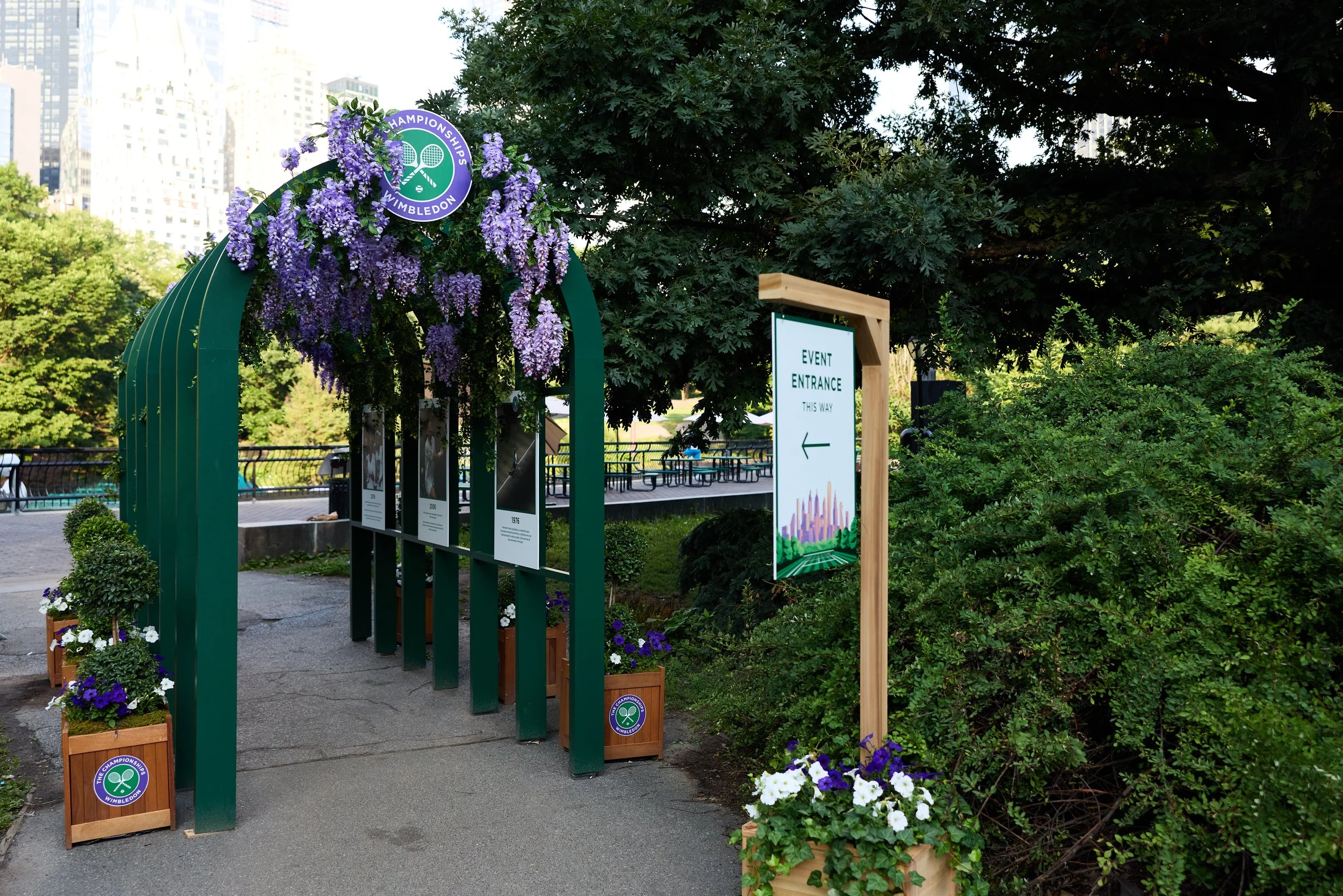
Wollman Rink became a complete Wimbledon environment, with the court at its center and layers of grandstand seating, courtside hospitality, partner experiences and gathering spaces surrounding it. Guests entered through a sequence of branded gateways and landscaped moments before moving through the existing trellis and into the main event grounds.
Across the site, familiar Wimbledon cues were reinterpreted at a range of scales, from monumental entry moments and grandstands to planting, furniture, wayfinding and hospitality details, creating a cohesive world without competing with the court itself.
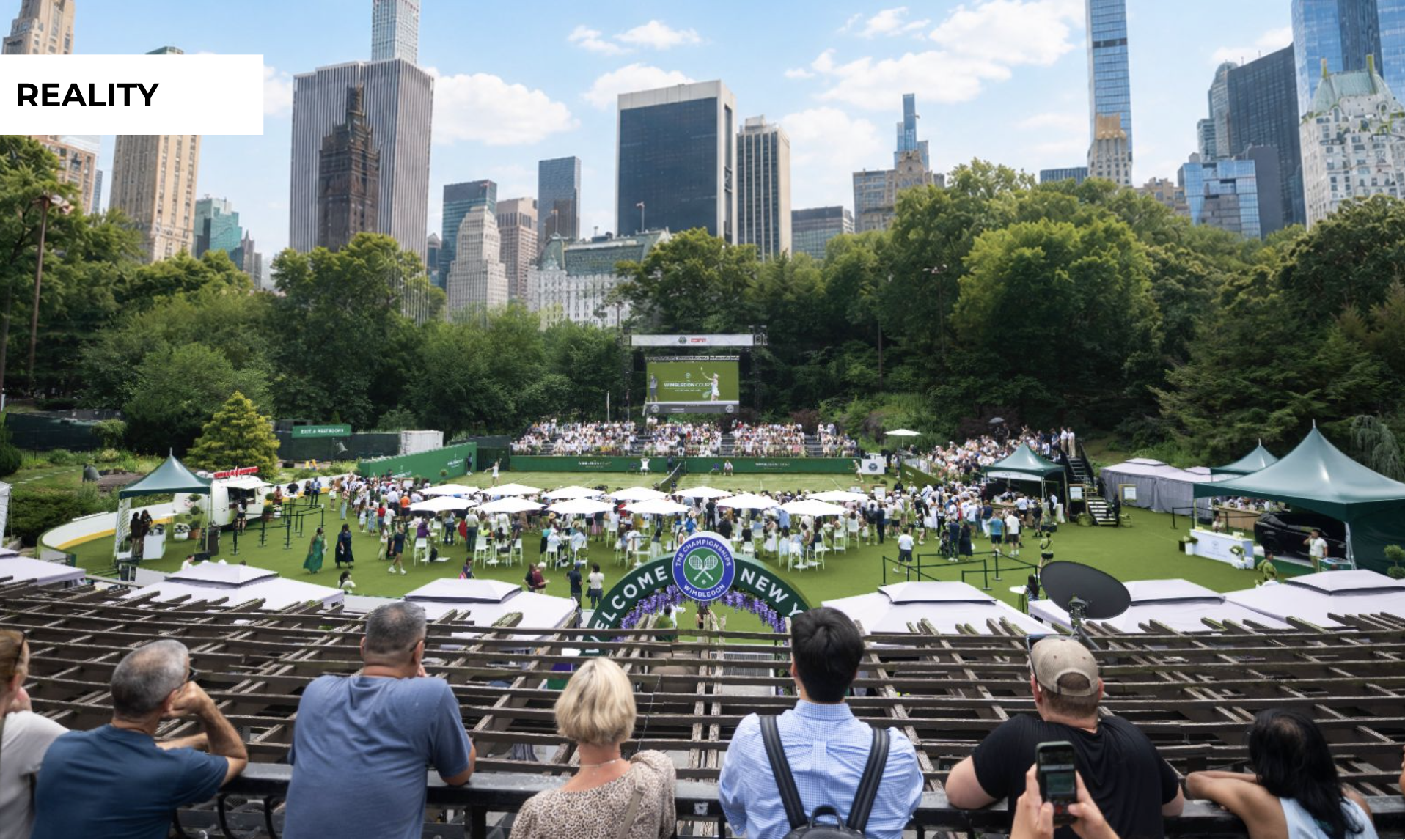
The Manhattan skyline was always part of the composition. Rather than disguising the fact that this wasn't Wimbledon, the design leaned into the tension between the two places — unmistakably Wimbledon, unmistakably New York.

VIP TENT
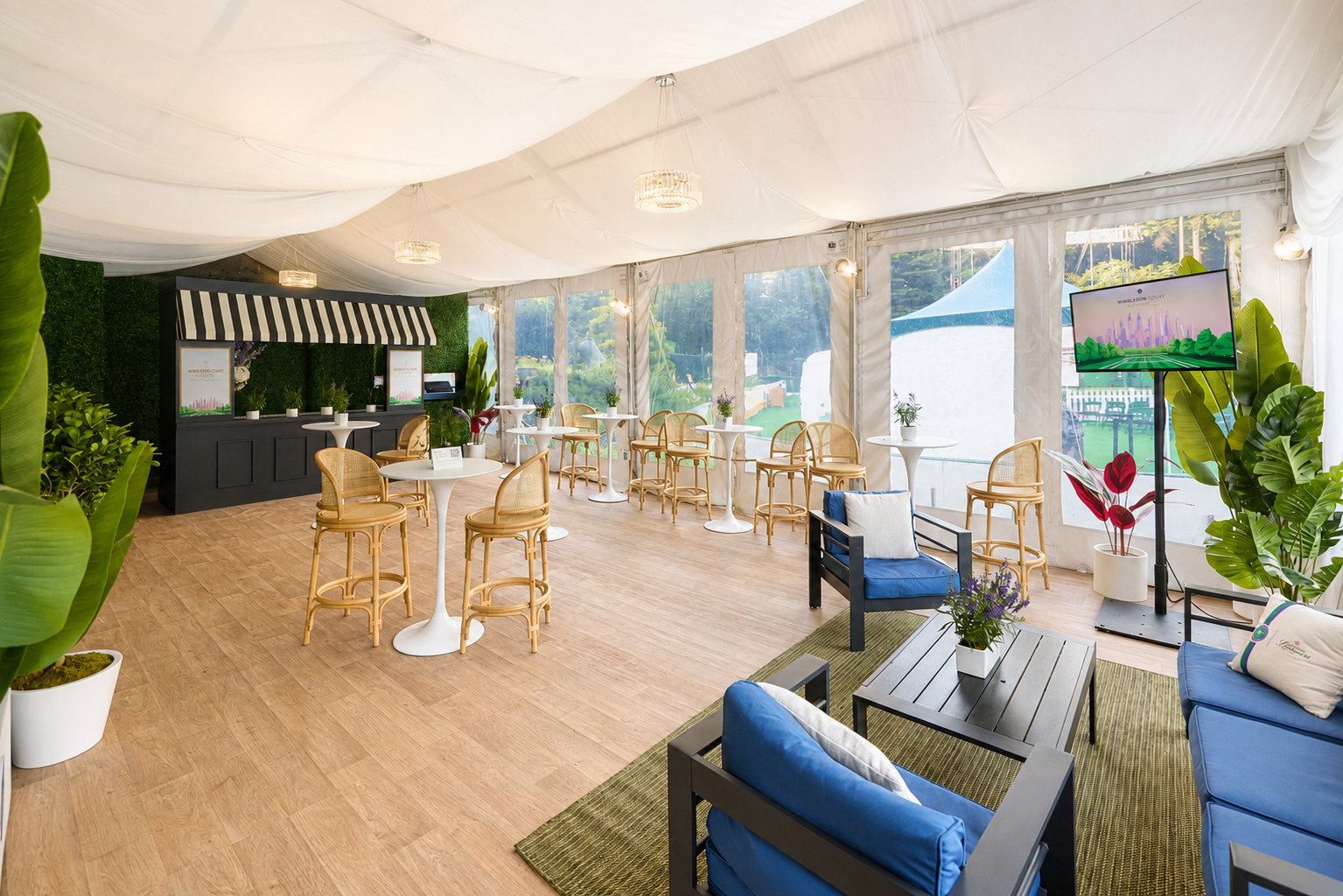
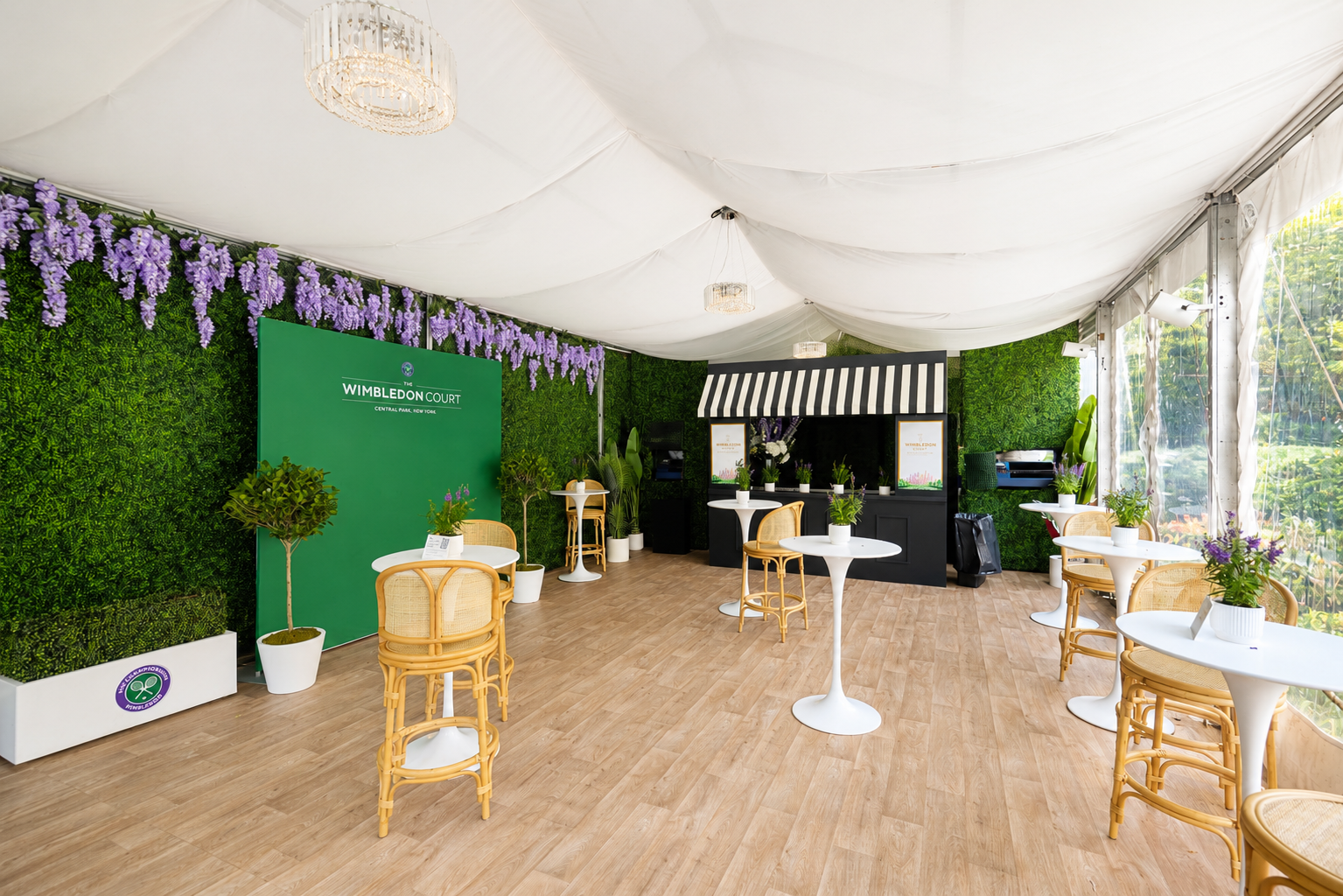
The VIP experience offered a more intimate way to take in the event, with courtside seating, a dedicated hospitality tent, lounge areas, food and beverage service, and premium views of the on-court programming. The space carried the same Wimbledon design language into a more elevated setting, while keeping guests connected to the energy of the court and the surrounding Central Park environment.
PARTNERS + PROGRAMMING
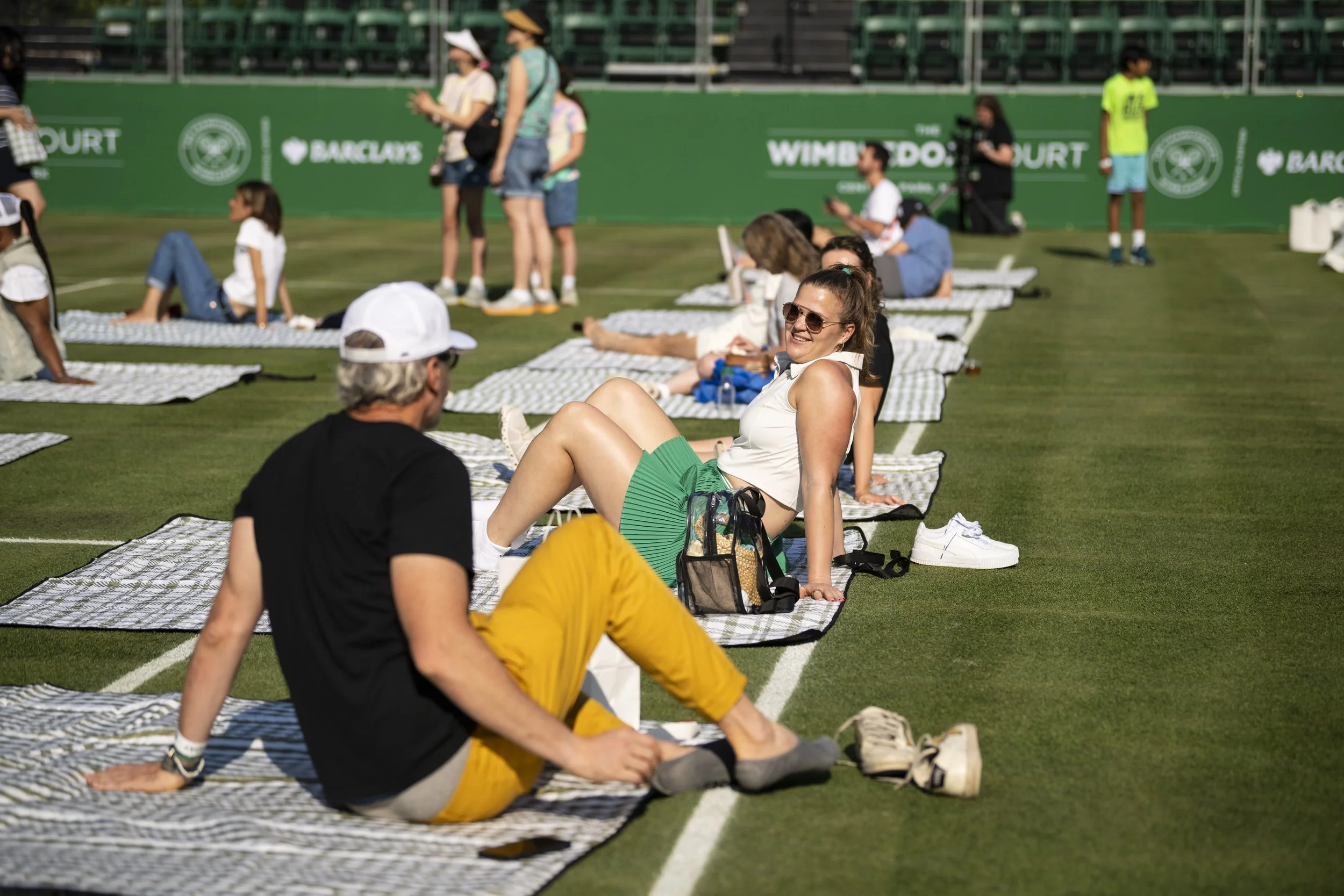
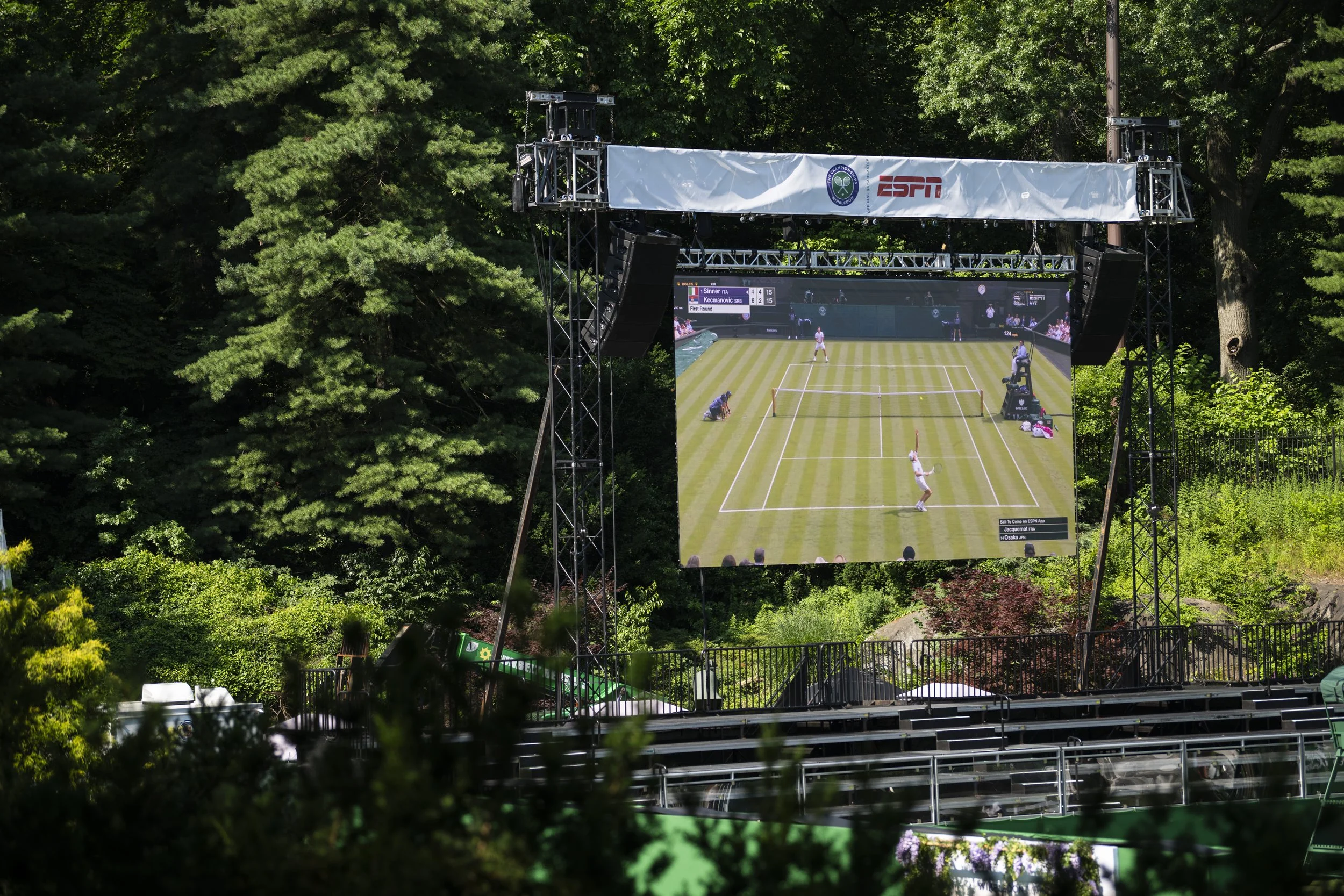
The experience evolved throughout its four-day run, beginning with The Wimbledon Court Invitational featuring Andre Agassi, Caroline Wozniacki, James Blake, and Genie Bouchard. Over the weekend, fans had the rare opportunity to step onto the grass themselves, with partner experiences and additional programming happening throughout the grounds, before the space shifted into a live Wimbledon viewing experience on Monday.
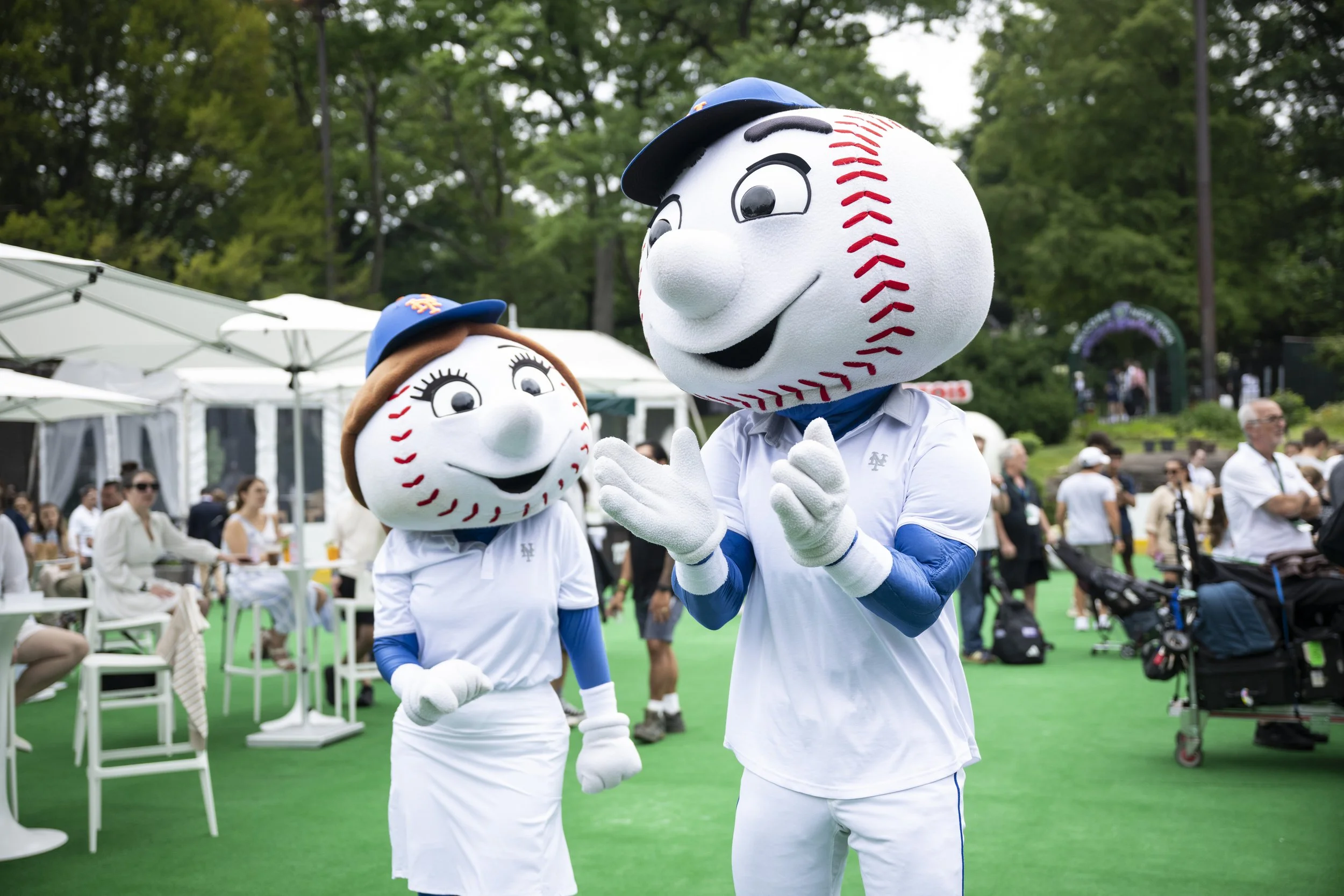
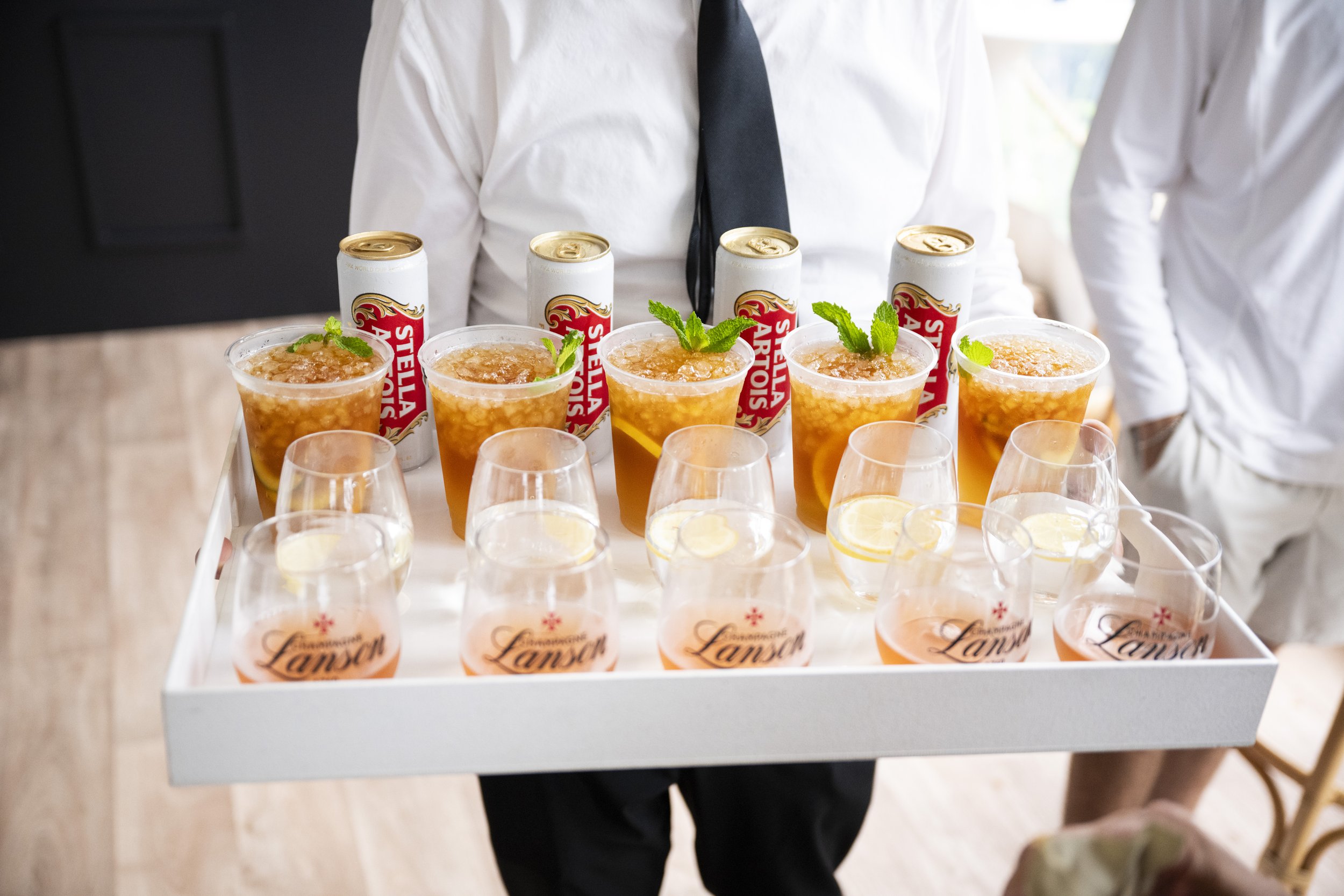
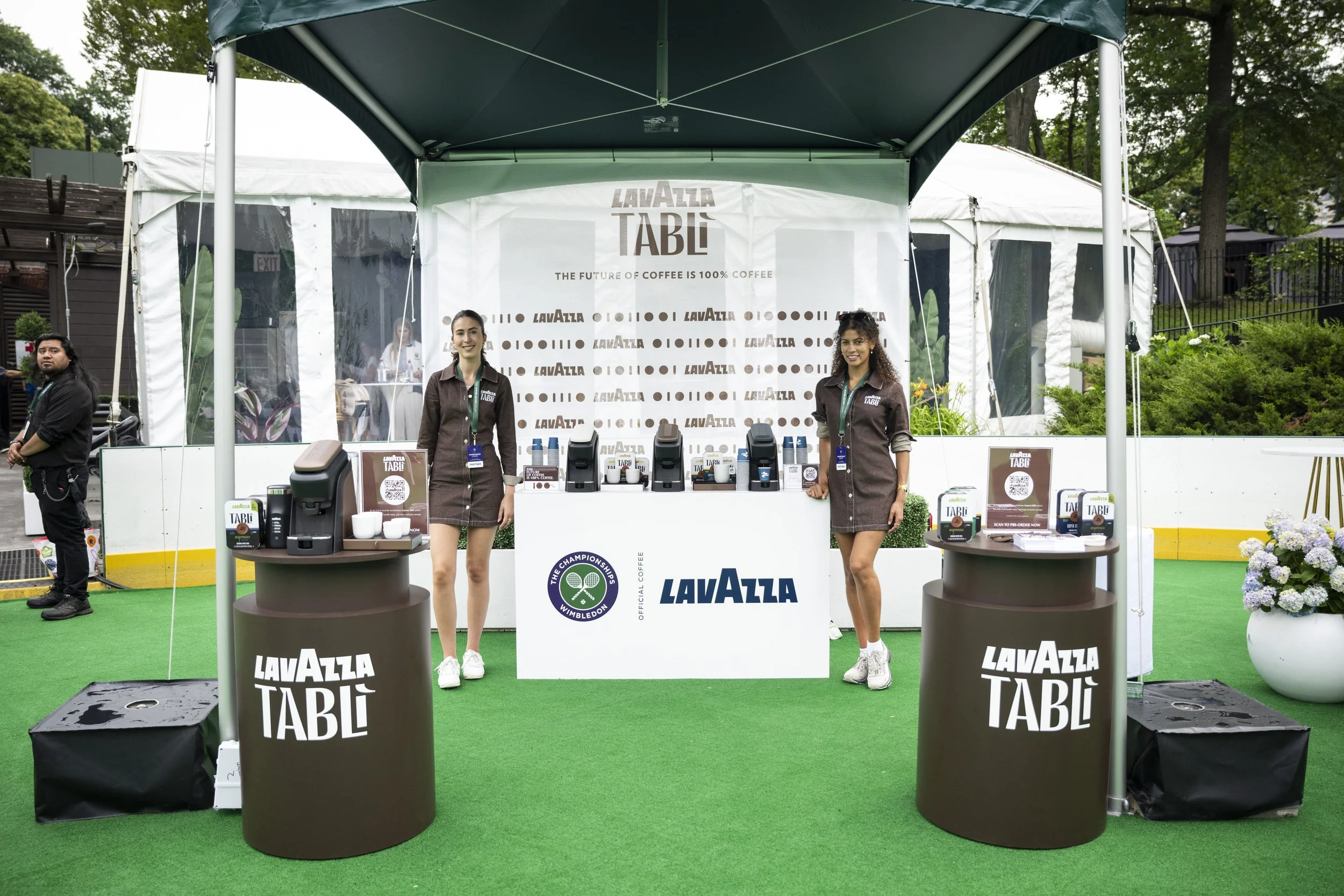
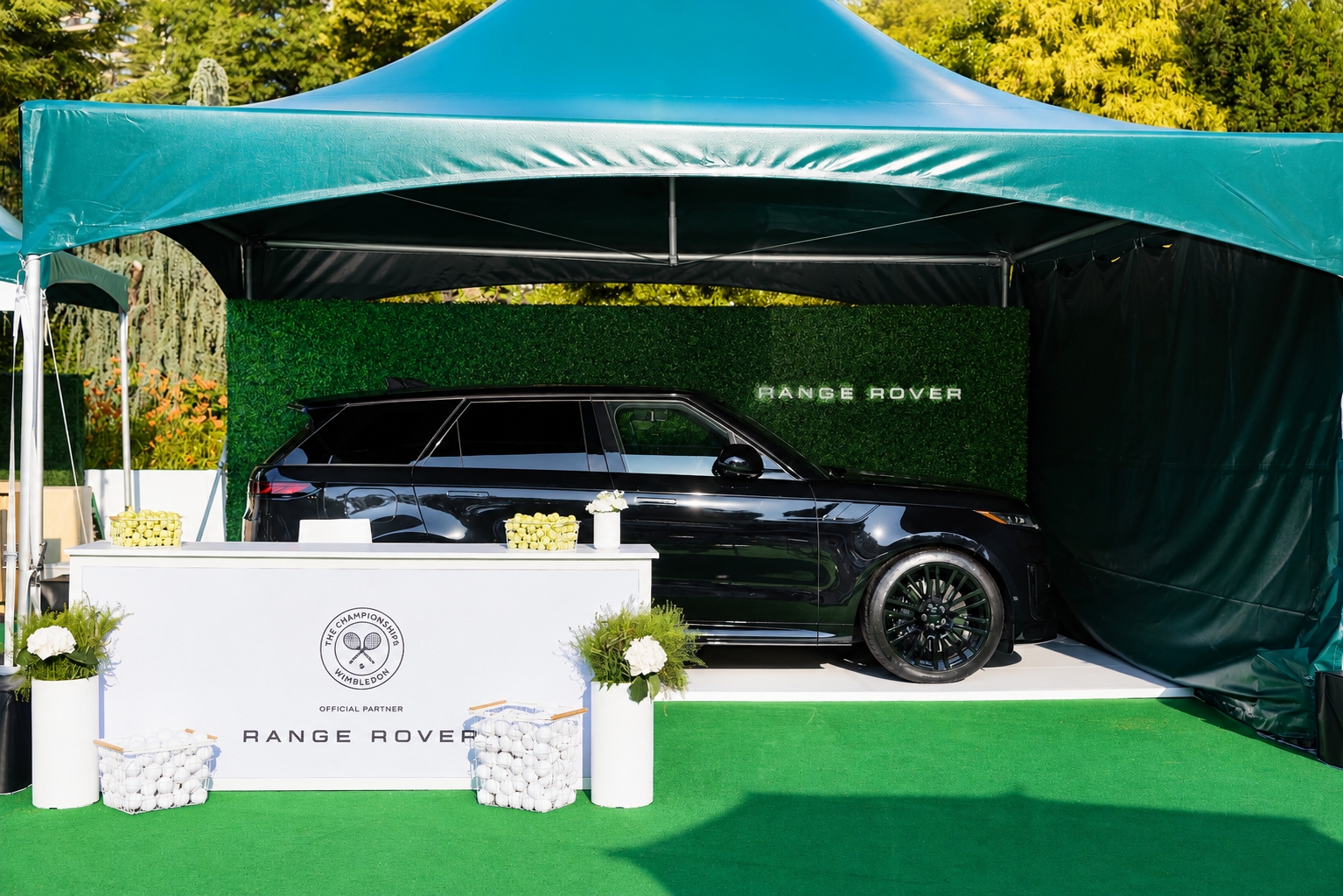
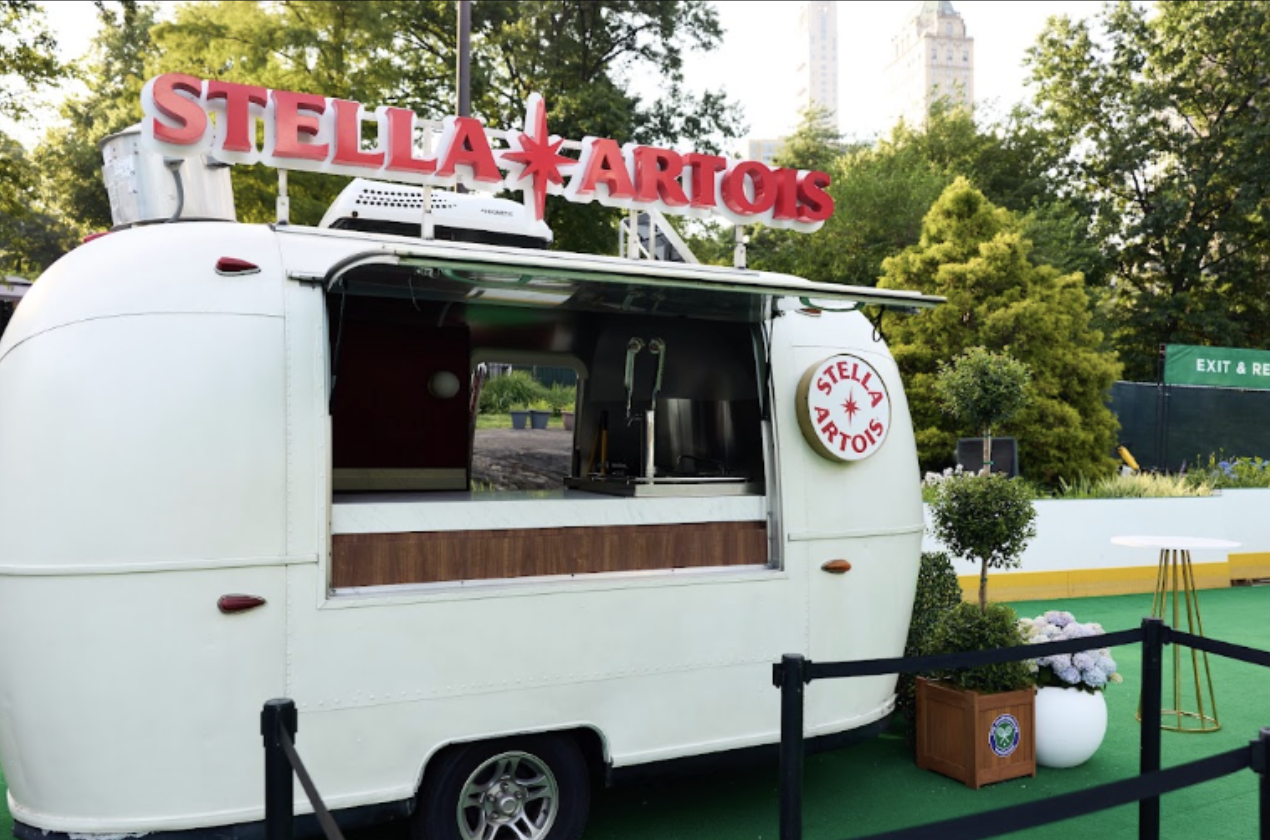
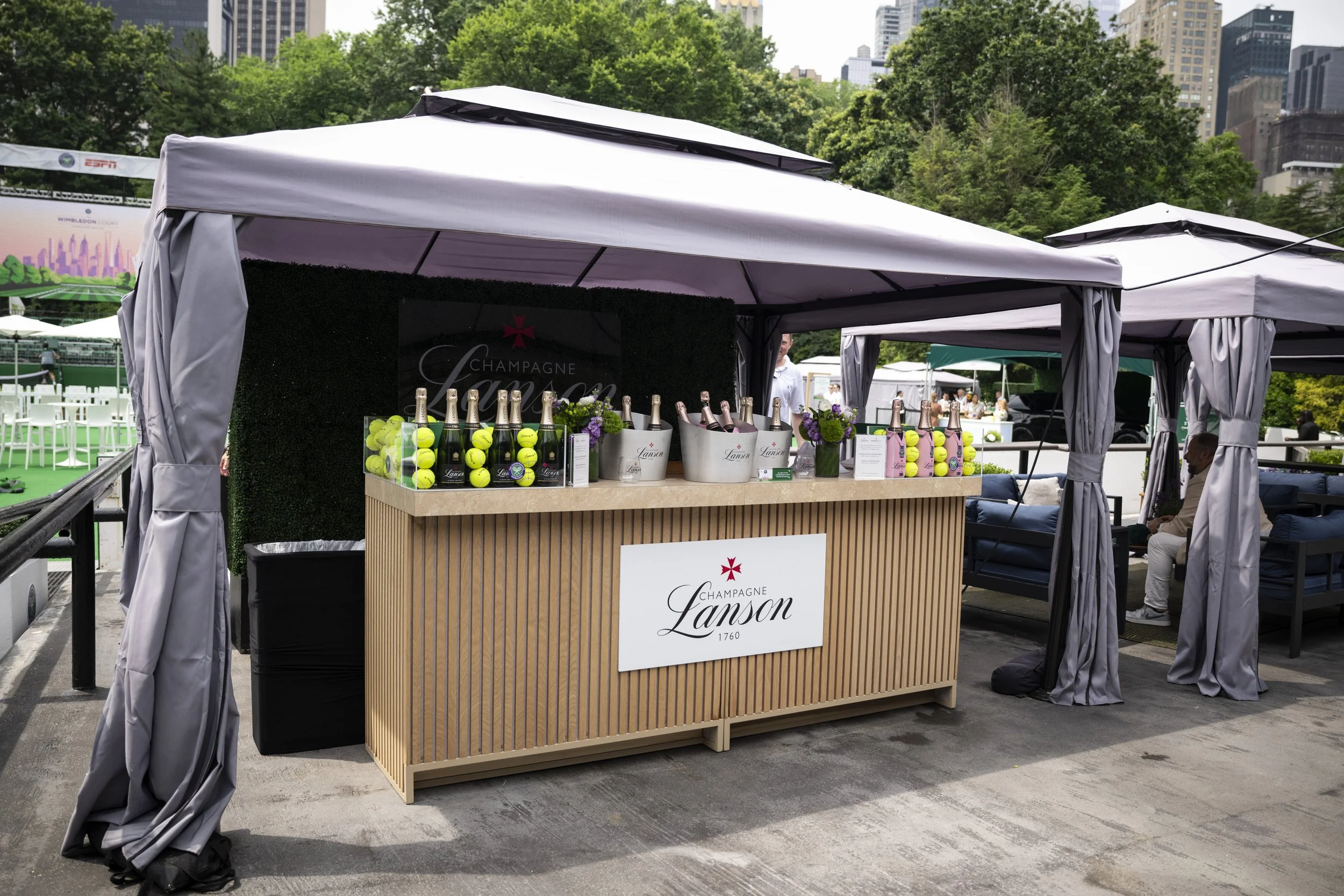
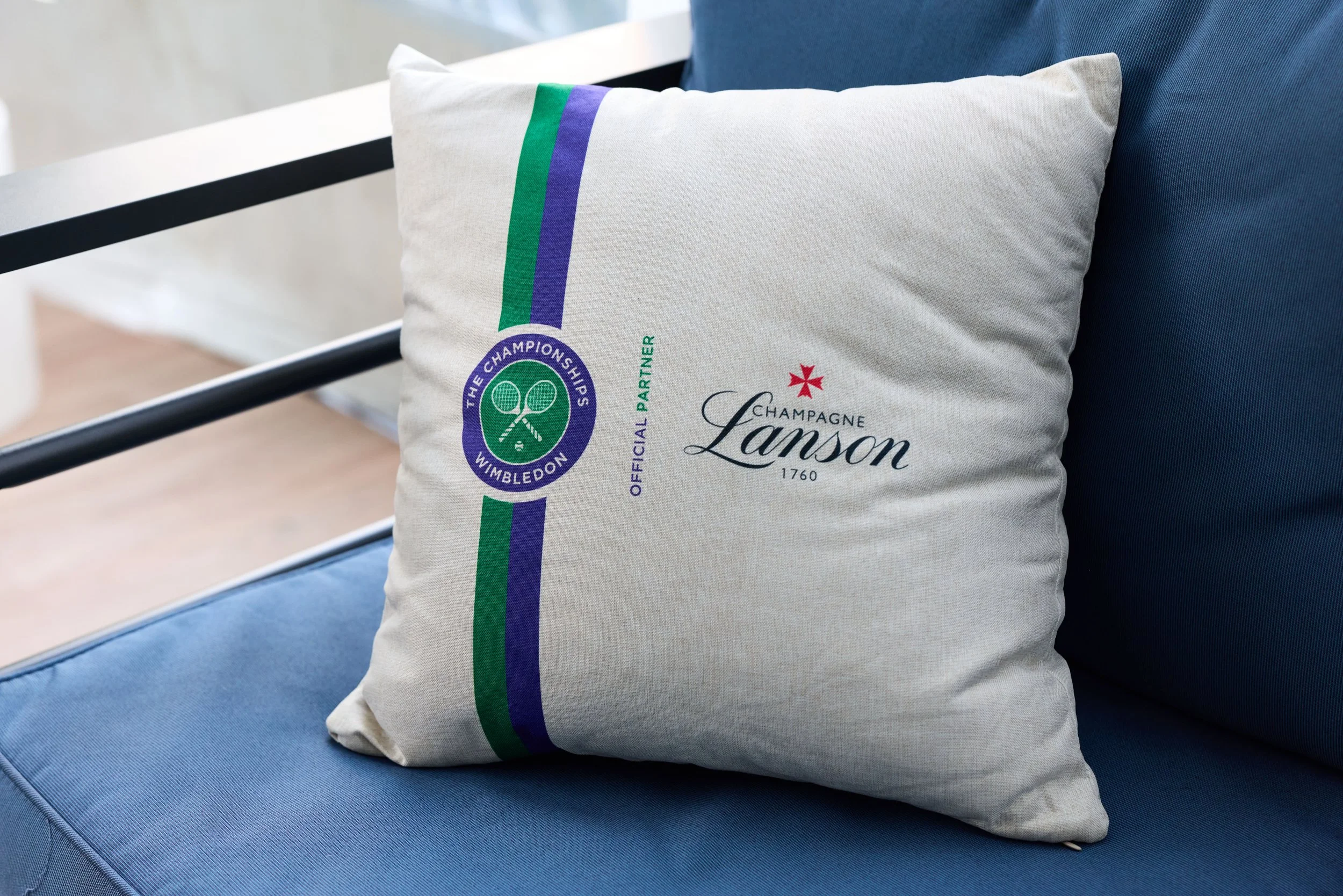
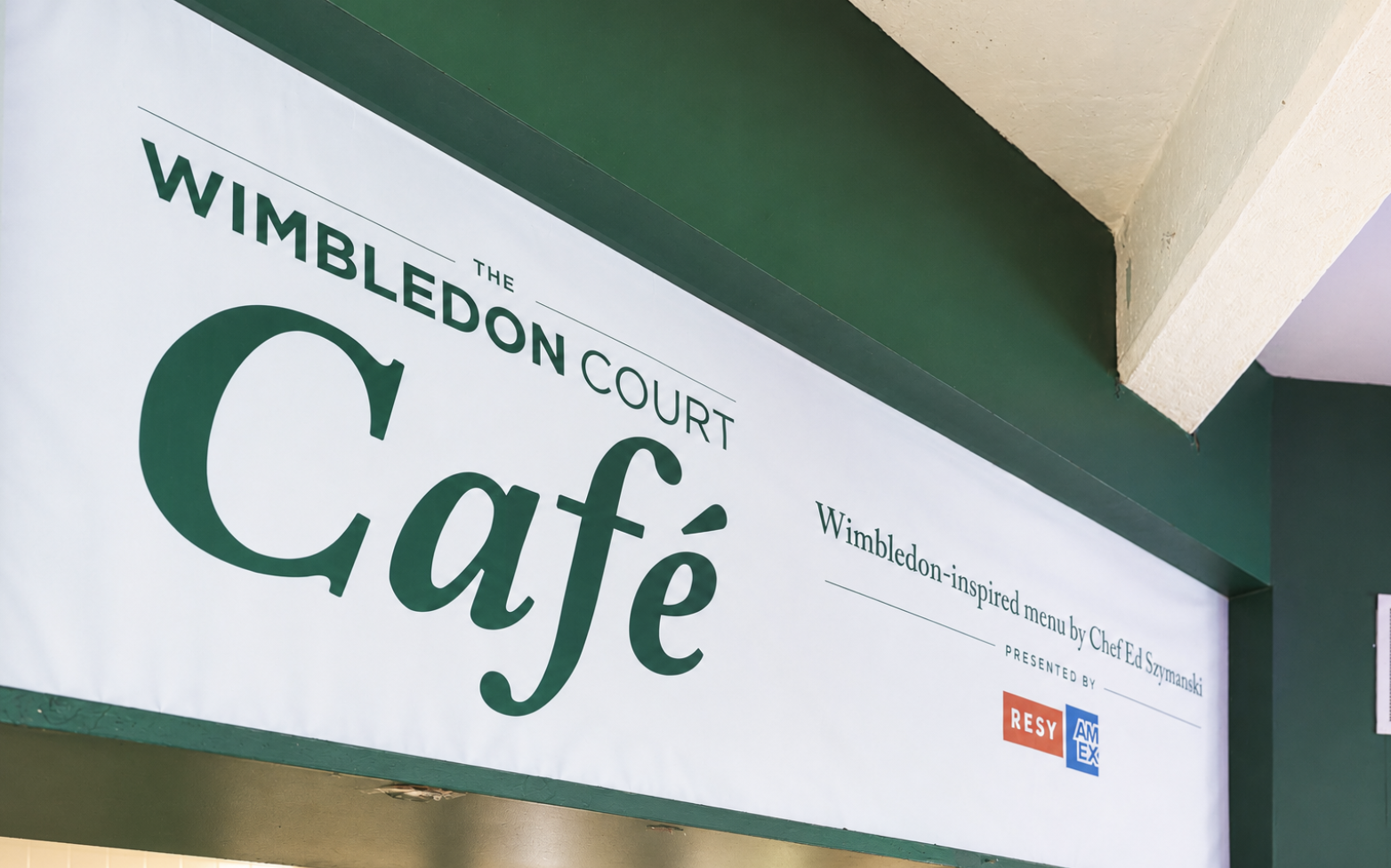
Range Rover, Barclays, Lavazza, Lanson, Stella Artois, Babolat, and American Express were integrated throughout the experience with their own branded spaces and hospitality moments. Each activation had its own identity and purpose while still feeling part of the broader Wimbledon world, balancing partner visibility with a cohesive guest experience across the site.
BEHIND THE SCENES
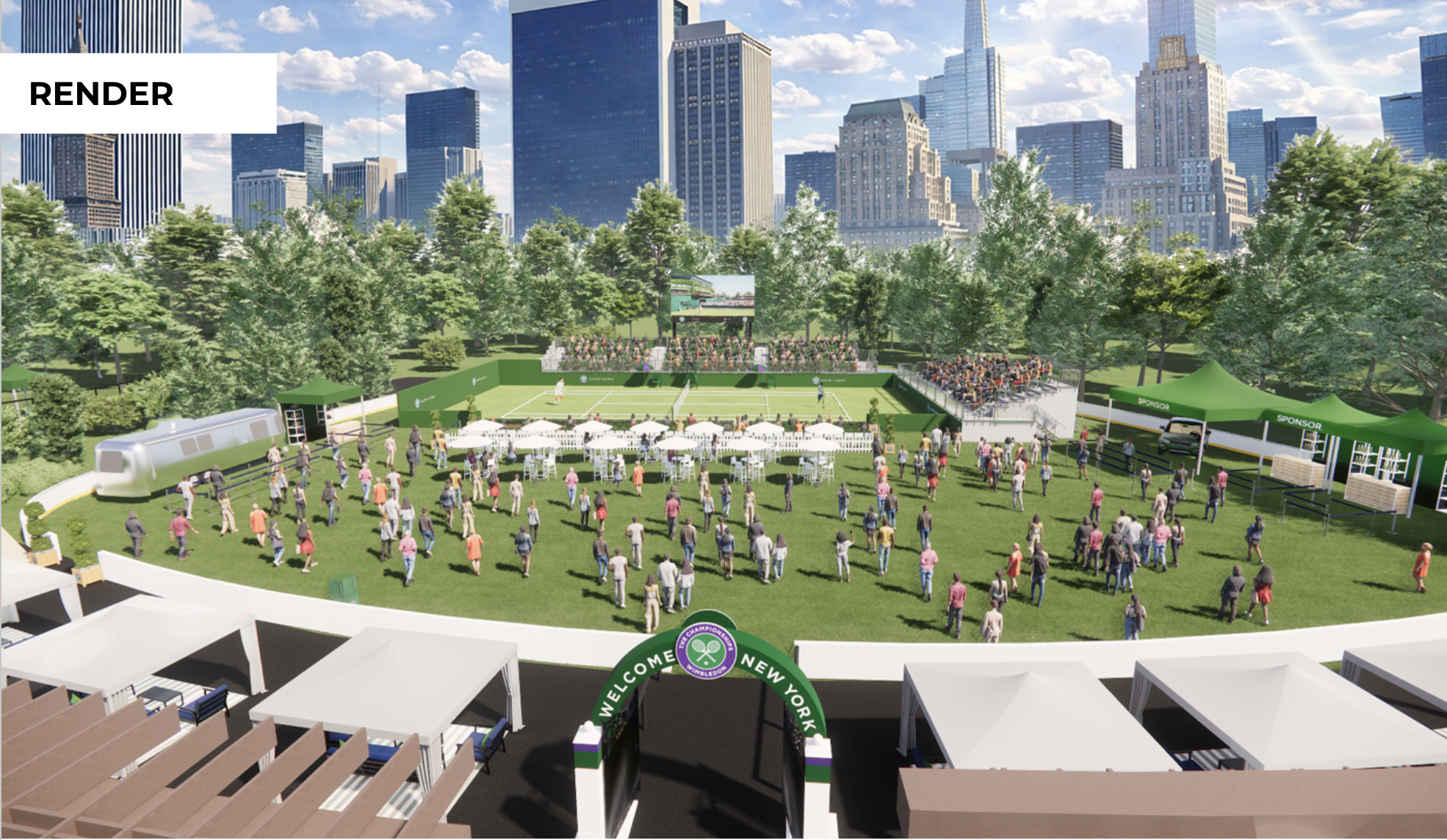
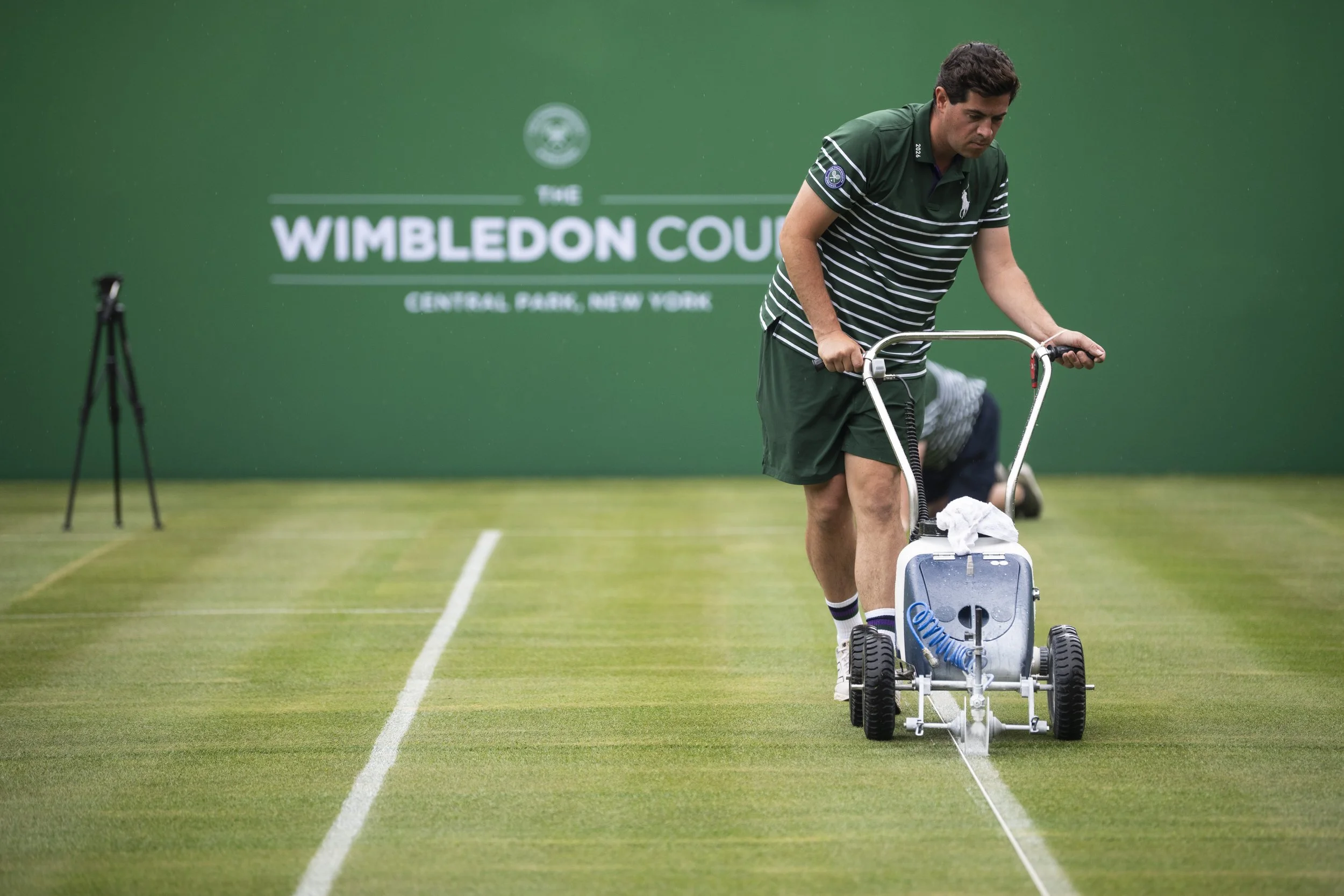
Bringing Wimbledon to Central Park meant designing within a complex existing venue while accounting for sightlines, circulation, programming, partner footprints, production constraints and the grass court itself. The experience developed through site planning, sketches, 3D studies and visualization, with the design continually refined alongside production as the event moved from concept to reality.